Foundations

Foundations
The Observation Gap in Agent Delegation

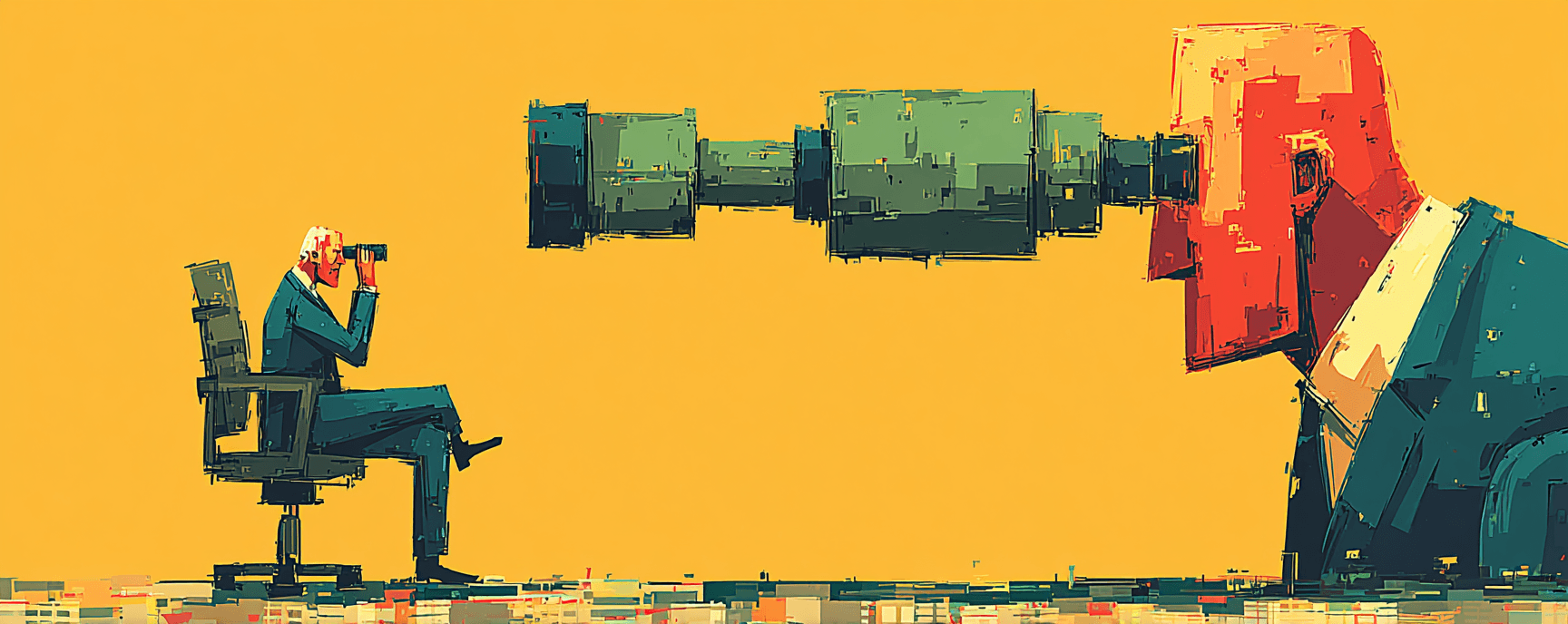
Your competitor pricing agent just navigated authentication flows across two thousand retail sites, handled bot detection that varies by region, interpreted A/B tested structures, and distinguished genuine price changes from temporary glitches. It made hundreds of judgment calls about when to retry, when to escalate, whether anomalies matter.
You were in meetings the entire time. Now you're looking at the output—clean data, confidence scores, flagged uncertainties. The agent operated beyond your observation, and you're deciding whether to trust it. Most organizations treat this like learning new software. It isn't.
The Observation Gap in Agent Delegation
Your competitor pricing agent just navigated authentication flows across two thousand retail sites, handled bot detection that varies by region, interpreted A/B tested structures, and distinguished genuine price changes from temporary glitches. It made hundreds of judgment calls about when to retry, when to escalate, whether anomalies matter.
You were in meetings the entire time. Now you're looking at the output—clean data, confidence scores, flagged uncertainties. The agent operated beyond your observation, and you're deciding whether to trust it. Most organizations treat this like learning new software. It isn't.
Tools & Techniques

What High-Frequency Monitoring Actually Catches
Check a website once and you learn whether it's working. Check it every minute for weeks and you learn how it behaves. High-frequency monitoring trades depth for speed—tests stay simple because they need to complete fast. But that speed reveals something synthetic checks can't: the patterns that emerge when you're watching constantly. Bot detection rolling out overnight. Site structures shifting during inventory updates. The things that break in production, as they're breaking.

When Shadow Testing Reveals What Monitoring Misses
Shadow testing runs your new code against real production traffic for days or weeks, processing every edge case your infrastructure encounters while users see results from your current system. It's expensive—you're running everything twice. But some things about web agent reliability only become visible when you're handling actual authentication challenges, actual regional variations, actual bot detection patterns. The complexity that monitoring catches quickly, shadow testing catches thoroughly.
Pattern Recognition

Enterprises plan massive GPU expansion in 2025. Ninety-six percent will add capacity. Yet only 7% achieve above 85% utilization during peak periods. Fifteen percent report fewer than half their GPUs are actually working, even when demand is highest.
The gap between procurement and utilization keeps widening. Companies spent $37 billion on generative AI in 2025, up 3.2x year-over-year. Meanwhile, 74% remain dissatisfied with their job scheduling tools. The top cloud compute concern isn't availability. It's wastage and idle costs.
Watch what organizations do, not what they say. They're treating GPU scarcity as a buying problem when the real constraint is orchestration. More hardware won't fix broken resource allocation.