Vision
Vision
The Honest Version We Built for Machines

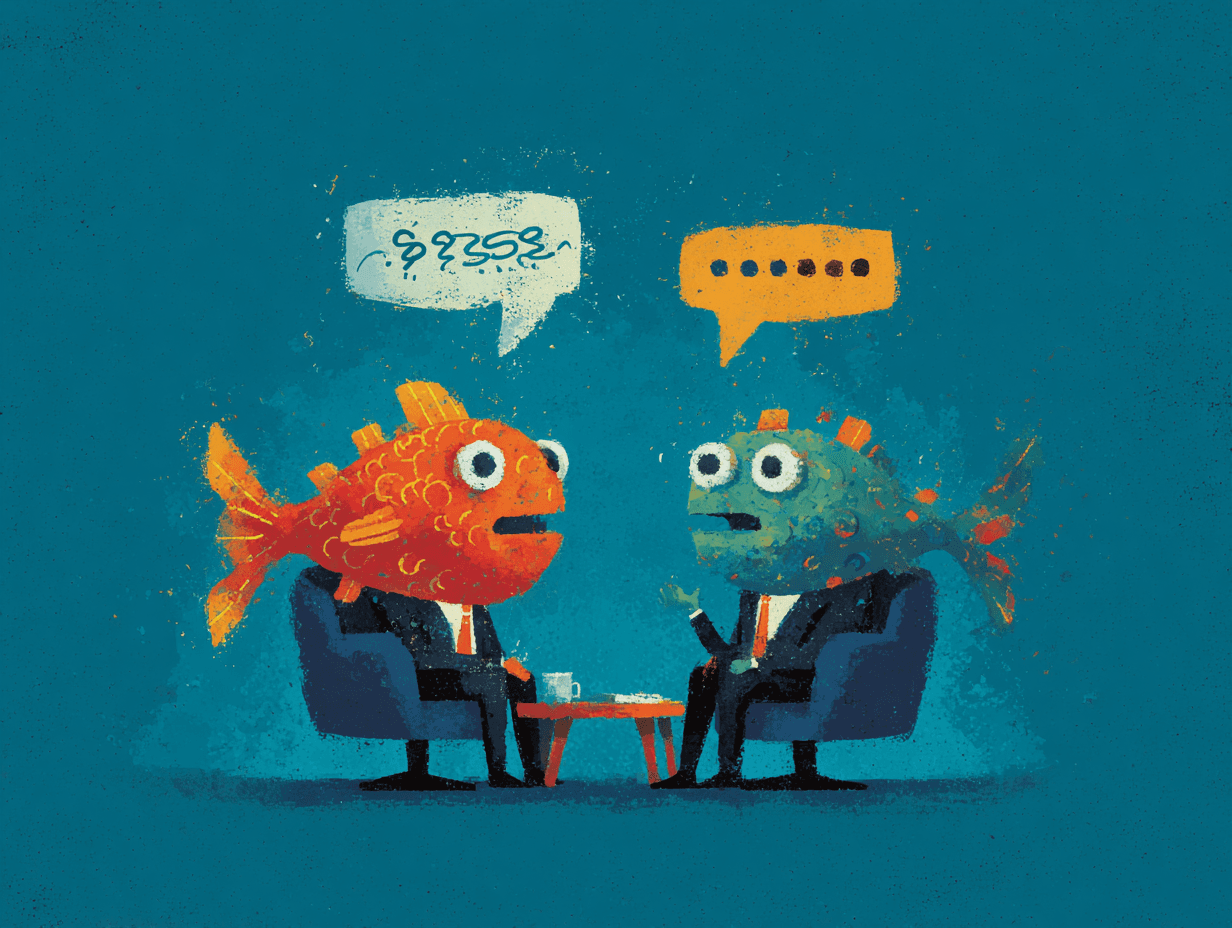
A hotel booking site, talking to an AI agent, can't show a countdown timer. It can't bury fees on page three of checkout. Under a new W3C draft specification called WebMCP, websites must declare their capabilities as typed functions with honest descriptions of what those functions return. The requirement sounds like plumbing. But when a site has to produce a clean, structured version of itself for machines, it also produces something else: a document that sits next to the human-facing version and makes the distance between them measurable.
The Honest Version We Built for Machines
A hotel booking site, talking to an AI agent, can't show a countdown timer. It can't bury fees on page three of checkout. Under a new W3C draft specification called WebMCP, websites must declare their capabilities as typed functions with honest descriptions of what those functions return. The requirement sounds like plumbing. But when a site has to produce a clean, structured version of itself for machines, it also produces something else: a document that sits next to the human-facing version and makes the distance between them measurable.
Two Doors
The Honest Interface
A cancel button in eight-point gray on a white background is technically a cancel button. The FTC would disagree about what it communicates. Dark patterns work because visual interfaces have texture: color, size, placement, language that shames you for choosing wrong. When a site must declare its capabilities to an agent through a structured protocol, there is no font size. No fold. Some manipulations have no mechanism to survive that translation. Others find new places to hide.
The Human Door
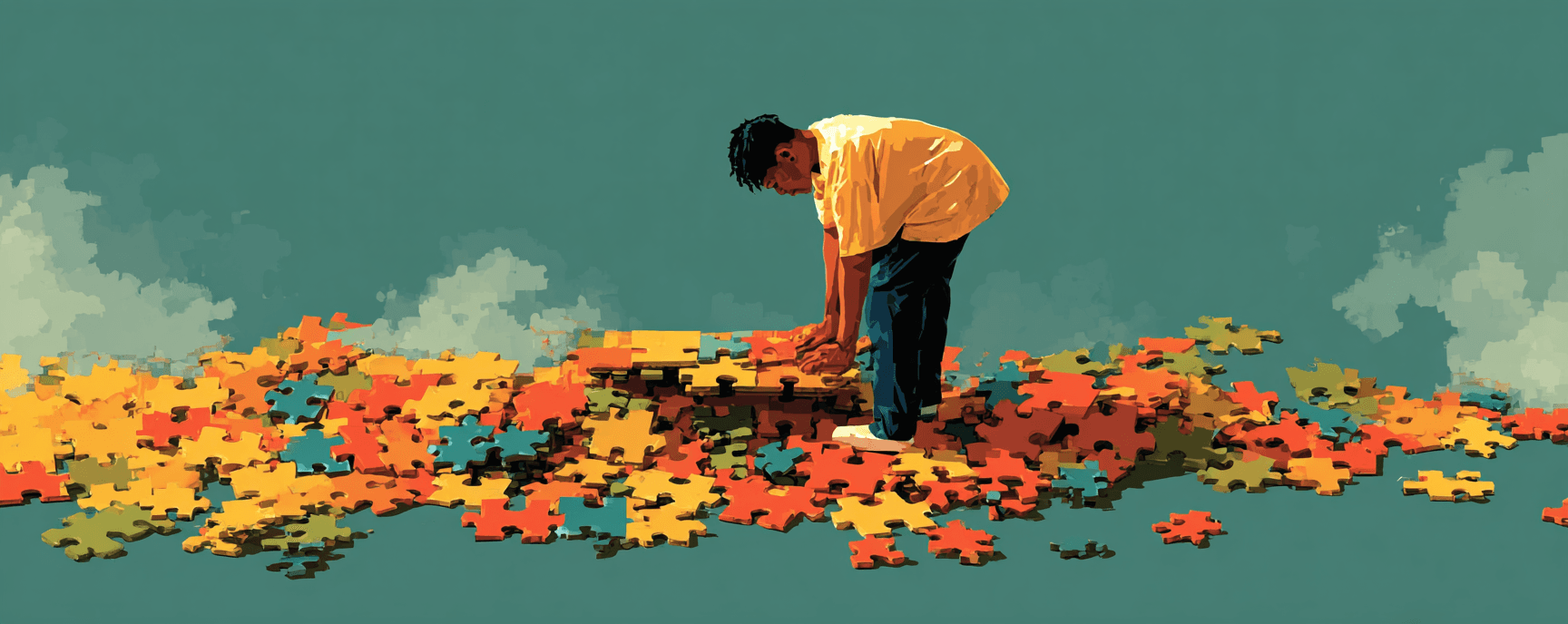
If the machine-readable interface is more honest than the human one, an uncomfortable question follows: what happens to the human-facing web it leaves behind? Secondary interfaces have a history. Desktop after mobile-first. Admin panels behind consumer apps. They get enough investment to function, never enough to thrive. But the human web might break this pattern in an unexpected direction. It might become the door people stop choosing to walk through.
Mino on the Hostile Web, the Machine Door, and Why Dark Patterns Work Better on Agents Than Humans
CONTINUE READINGPost-Manipulation Economics
Drip pricing lifted StubHub's revenue by 20%. Confirmshaming, false urgency, roach-motel cancellation flows. A meaningful slice of digital commerce runs on the gap between what consumers actually want and what they can be pressured into accepting.
Agents don't feel pressure. A countdown timer is just a number. Scarcity copy is just text.
We've seen a version of this before. Ad-blockers didn't kill the attention economy. They rerouted it into native ads, paywalls, and whitelisting deals. Agents suggest something broader: not filtering one channel but mediating entire transactions. Forrester expects one in five sellers to deploy counter-agents by year's end. The manipulation economy is already looking for its next surface.
Further Reading