Practitioner's Corner

Practitioner's Corner
The Legibility Bottleneck


Meta recently pointed AI agents at a major internal codebase. Of 4,100 files across four repositories, roughly 5% had documentation the agents could actually use. The other 95% worked fine. Engineers maintained it, understood it, kept production running. Nothing was broken. It just wasn't written down in a way machines could read.
That ratio matters beyond Meta. Enterprise agent pilots are stalling across industries, and the usual diagnosis is model capability. The bottleneck may sit somewhere older and more stubborn, and the implications reach anyone betting that better AI closes the gap on its own.
The Legibility Bottleneck
Meta recently pointed AI agents at a major internal codebase. Of 4,100 files across four repositories, roughly 5% had documentation the agents could actually use. The other 95% worked fine. Engineers maintained it, understood it, kept production running. Nothing was broken. It just wasn't written down in a way machines could read.
That ratio matters beyond Meta. Enterprise agent pilots are stalling across industries, and the usual diagnosis is model capability. The bottleneck may sit somewhere older and more stubborn, and the implications reach anyone betting that better AI closes the gap on its own.
What Meta Found When It Sent Agents Into Its Own Codebase

Inside one of Meta's data pipelines, two configuration fields refer to the same operation. Use the wrong one and the code compiles clean, passes review, looks correct. It isn't. A human engineer learned this the hard way years ago and told the next person who needed to know. Nobody wrote it down.
This spring, Meta sent AI agents into that pipeline. Four repositories, three languages, 4,100 files. The agents ran straight into a problem that had been invisible for years: what holds complex systems together, and whether any of it exists in a form that anything besides a person can read.
What Meta Found When It Sent Agents Into Its Own Codebase
Inside one of Meta's data pipelines, two configuration fields refer to the same operation. Use the wrong one and the code compiles clean, passes review, looks correct. It isn't. A human engineer learned this the hard way years ago and told the next person who needed to know. Nobody wrote it down.
This spring, Meta sent AI agents into that pipeline. Four repositories, three languages, 4,100 files. The agents ran straight into a problem that had been invisible for years: what holds complex systems together, and whether any of it exists in a form that anything besides a person can read.
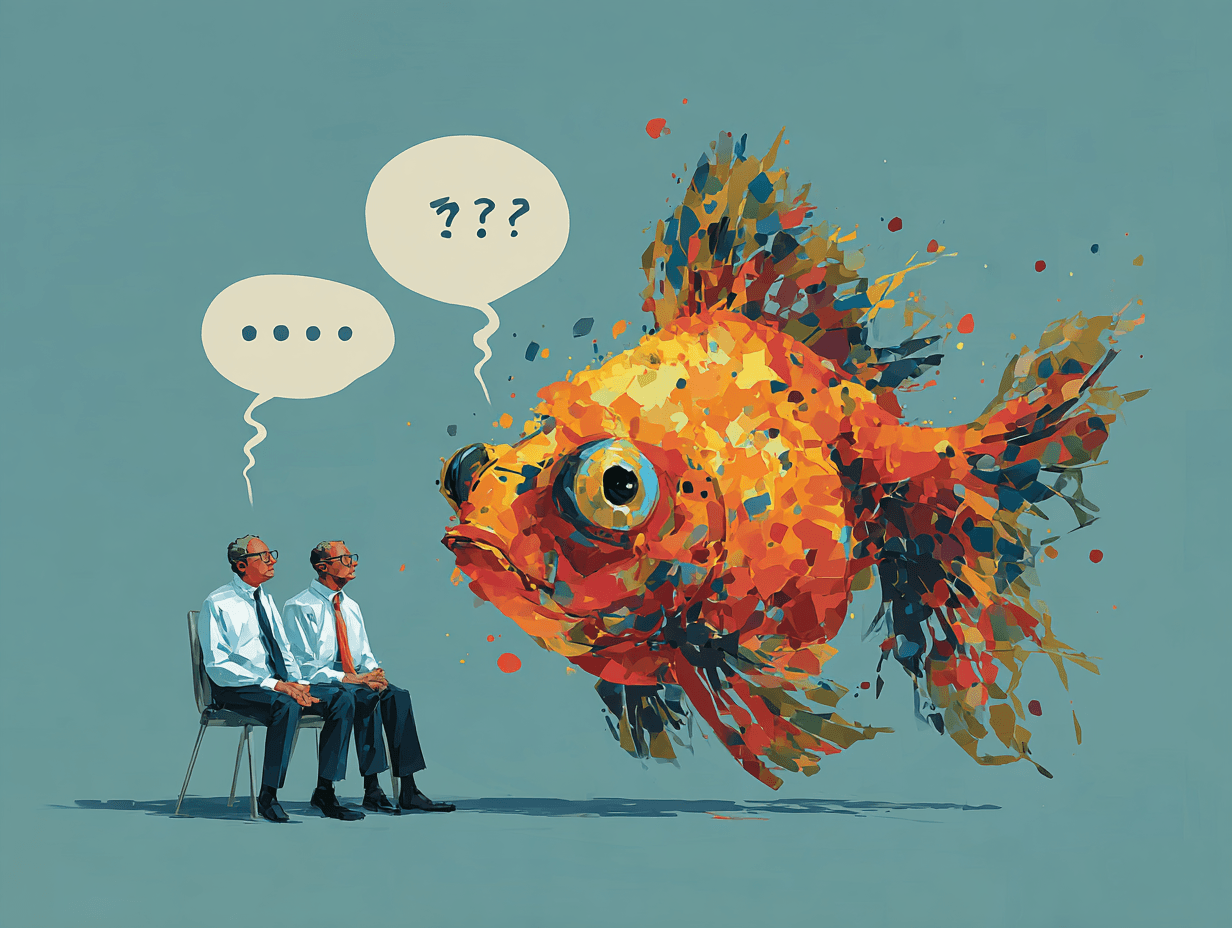
When Knowledge Leaves

Aparna Ramani, Meta's VP of Engineering for AI Infrastructure, announced her departure April 14 after nearly a decade. Two days later, Meta published its Capacity Efficiency agent platform post, describing how senior engineers' expertise gets encoded into composable AI skills for optimization at hyperscale.
The timing is coincidental. What it surfaces is not. An agent preserves the pattern but not the judgment about when the pattern should change.
Meta's 2026 capex projection sits at $60-65 billion. Turning that hardware into production AI requires institutional knowledge that accumulates over years and leaves in an afternoon.
Further Reading