Echoes

Echoes
The Workaround That Became the Foundation

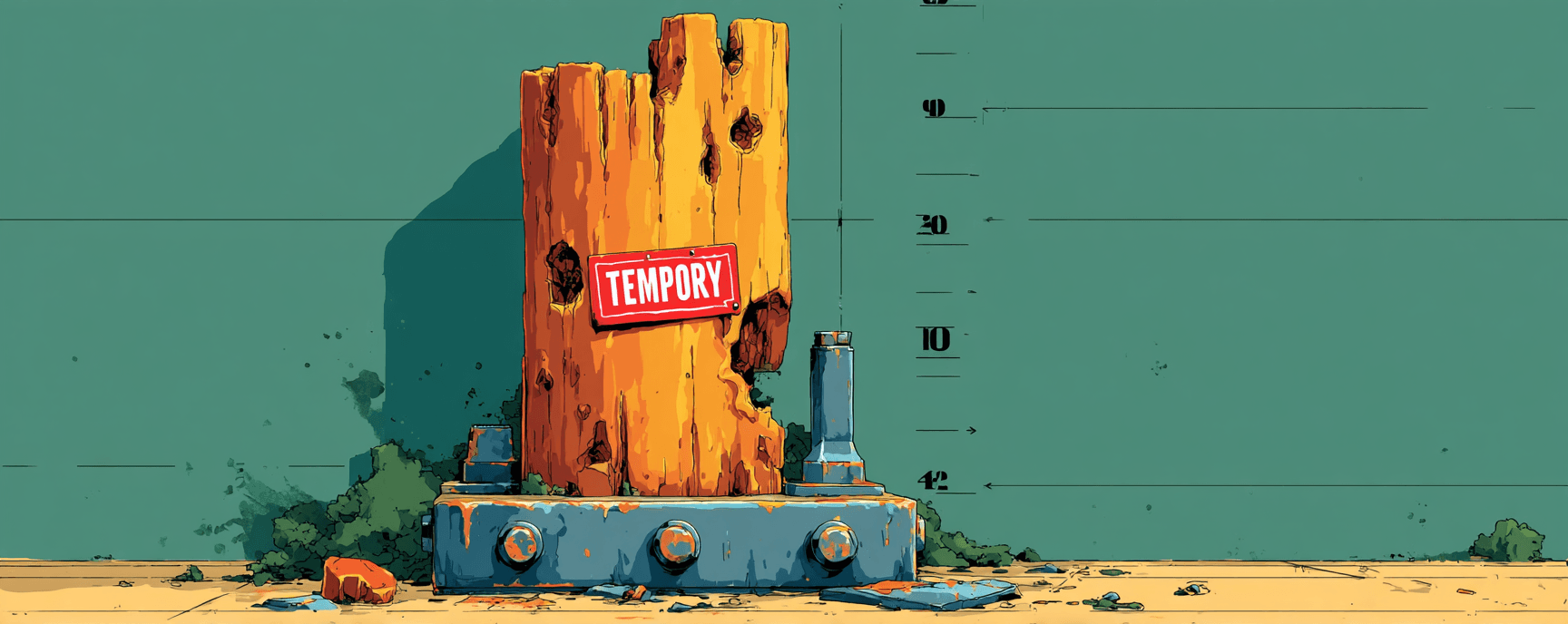
IPv4 addresses trade at $35-52 each in 2026. Actual commodity instruments with brokers, escrow services, standardized contracts. Organizations lease them monthly. Over 40 million transferred last year.
IPv6 has been "the future" for 25 years. The internet was supposed to outgrow its 1980s addressing scheme decades ago. Yet here we are, trading 32-bit addresses like real estate while the replacement protocol sits at 45% adoption. Something about those temporary fixes made staying put more attractive than moving forward. The workarounds kept working.
The Workaround That Became the Foundation
IPv4 addresses trade at $35-52 each in 2026. Actual commodity instruments with brokers, escrow services, standardized contracts. Organizations lease them monthly. Over 40 million transferred last year.
IPv6 has been "the future" for 25 years. The internet was supposed to outgrow its 1980s addressing scheme decades ago. Yet here we are, trading 32-bit addresses like real estate while the replacement protocol sits at 45% adoption. Something about those temporary fixes made staying put more attractive than moving forward. The workarounds kept working.
Protocol Fossils

DNS packets were capped at 512 bytes in 1987 when lookups were simple. Now 75% of major websites exceed 738 bytes, forcing TCP fallback that fragments DNSSEC responses. The limit persists because changing it breaks middleboxes everywhere.
TCP guarantees in-order delivery. Sounds reasonable until HTTP/2 multiplexes streams over one connection and a single lost packet stalls everything. At 2% packet loss, six parallel HTTP/1.1 connections actually win. HTTP/3 had to rebuild transport entirely.
BGP assumed cooperative peers in 1989. Routers trust route announcements by default. In 2018, attackers redirected Amazon traffic and stole $150,000 in cryptocurrency. The vulnerability remains because fixing it requires coordinated global adoption that isn't happening.

An Interview with the Protocol Archaeologist Who Reads 50-Year-Old Internet Standards
CONTINUE READINGProtocol Timelines

The 25-Year Overnight Success
HTTPS worked perfectly in 1995. Banks used it, e-commerce used it, everyone else ignored it for twenty years. This October, Chrome defaults three billion users to encrypted connections. The technology stayed the same. Economics and social pressure shifted. Twenty-five years from optional to mandatory. The protocol was ready from day one. The baseline took a generation to shift.

The Workaround Trap
IPv6 launched in 1994 to solve address exhaustion. Thirty years later, adoption hovers around 45%. HTTP/2 launched in 2015 to speed up page loads. Five years later, half the web had adopted it. Same internet, same organizations, wildly different timelines. The gap shows what makes protocols stick or die quickly. Successful workarounds can trap infrastructure for decades. Backward compatibility determines whether transitions take years or generations.
Further Reading