

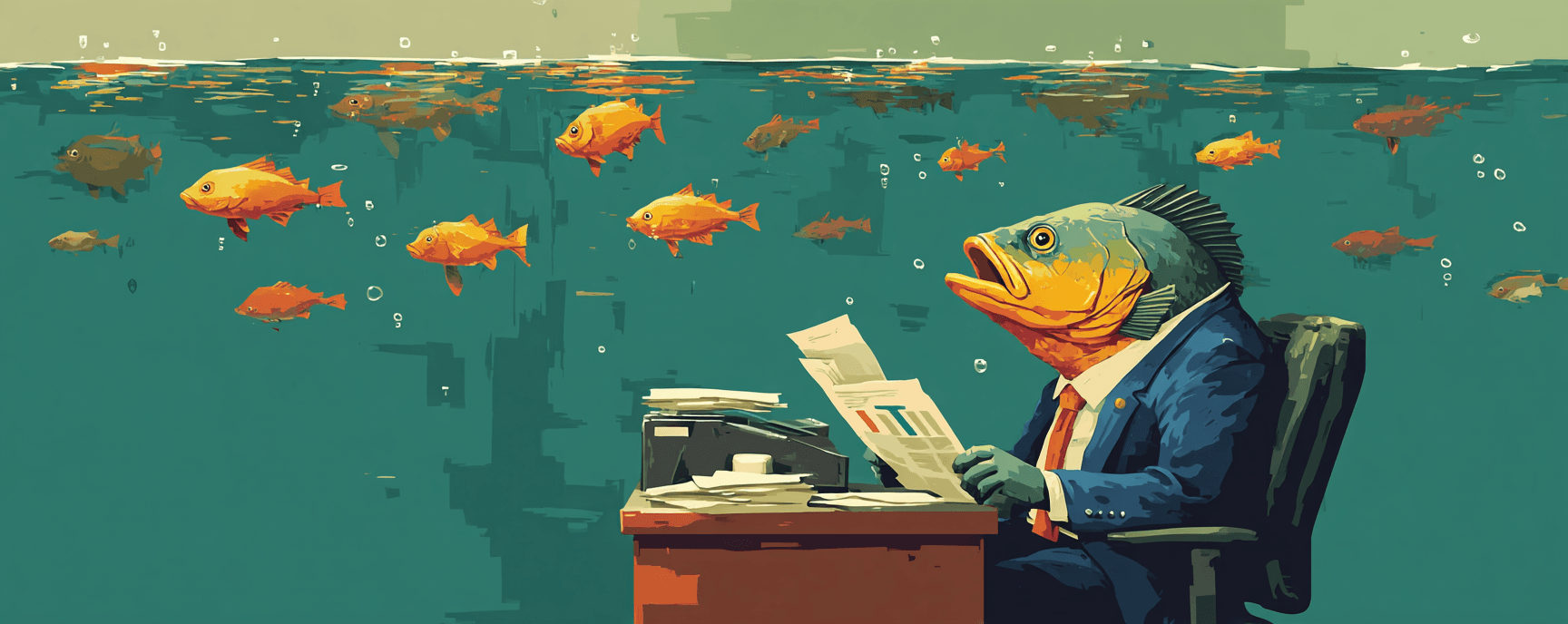
There's a version of this story that predates AI by decades. A nurse who was exceptional at bedside care gets promoted to nurse manager. The role is objectively higher-status, better-compensated, more influential. And it feels, to many who make the transition, like something important has been taken away.
Research on this specific transition finds that successful role change requires relinquishing the staff nurse identity, decreasing attachment to clinical behaviors and self-concept. A 2025 grounded theory study describes the process as "identity realigning," which unfolds in stages: identity earning, role transitioning, self-integrating. The language is clinical. The experience it describes is personal. You built yourself through a particular kind of doing. Now the doing belongs to someone else, and your job is to watch.
AI oversight work is replicating this pattern at scale.
The foundational insight from organizational psychology is that professional identity is constituted through activities. Identity work operates through verbs. When the activities change, the identity destabilizes. The new role may matter more on paper. But the old role was where the self got built.
A study of over 3,500 participants in Scientific Reports found that collaborating with generative AI improved task quality but reduced workers' sense of control and intrinsic motivation. When participants later worked without AI assistance, they reported increased boredom. The unassisted work felt flat. When AI handles the generative core of a task, the human's experience of autonomous contribution shrinks. The output is better. The feeling of having made it is worse.
A year-long study of cancer specialists using AI tools observed what researchers called "intuition rust": the gradual dulling of expert judgment, initially masked by operational gains. Over time, this evolved into "identity commoditization." The specialists were losing the sense that their expertise was distinctively theirs. A Frontiers in Psychology paper on cognitive offloading puts the mechanism precisely: tools that replace rather than enhance internal cognitive effort also modify users' conceptions of task difficulty and distort perceptions of competence. The tool does the work, and in doing so, it reshapes how you understand your own capability.
Oversight may require more judgment, more contextual awareness, more sophisticated thinking. But it doesn't feel like craft. It feels like checking someone else's craft.
And the psychological research suggests that feeling is accurate about something real in how professional selves are actually constructed.
The nurse manager literature closes the loop. Nurses selected for management are typically chosen for their clinical expertise. The very thing that made them excellent at the old job becomes a source of frustration in the new one. They can see what's slightly off. Their job is no longer to fix it themselves. The same dynamic plays out as domain experts become AI supervisors, watching systems approximate the work through which they built their professional identities.
Worth sitting with, because organizations that treat this as a training problem will keep wondering why the training doesn't take.