Vision
Vision
The Signal in the Satisfaction Gap

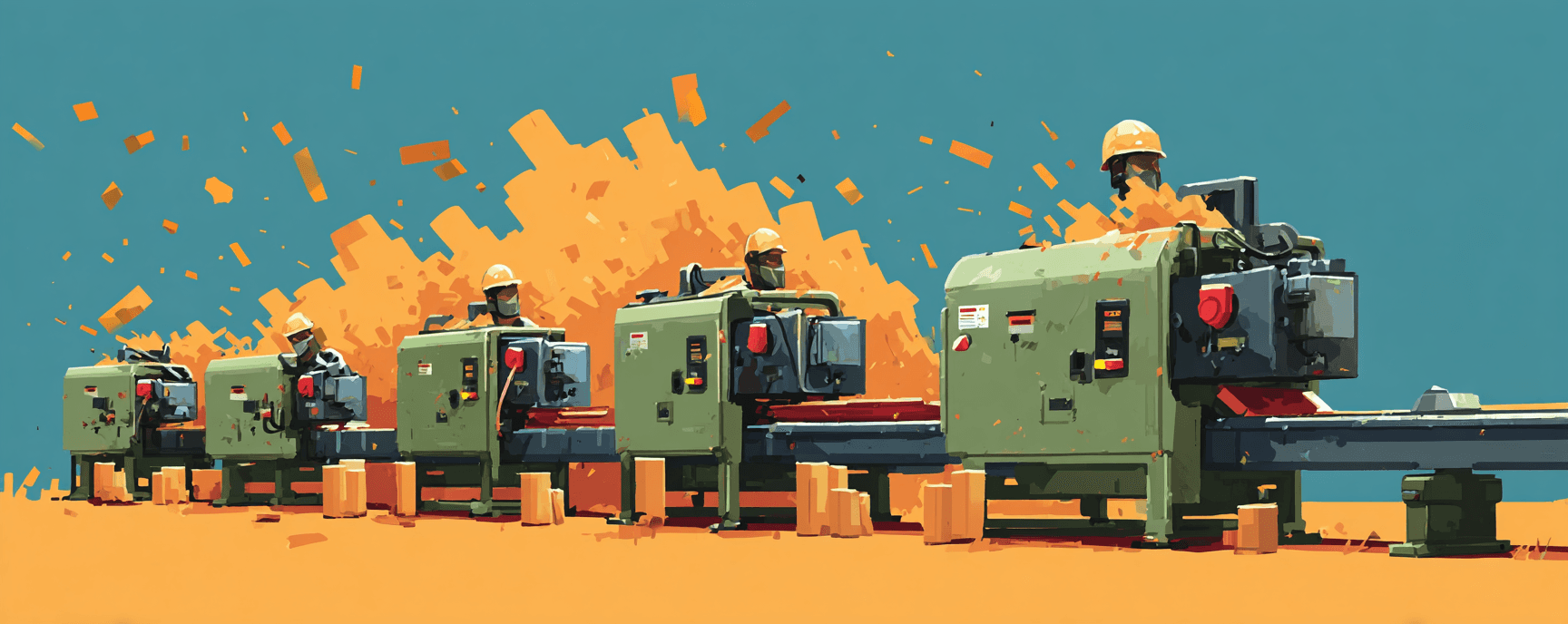
A peer-reviewed study of 3,500 workers found that AI collaboration improved output quality while cutting intrinsic motivation by 11% and raising boredom by 20%. The mechanism was precise: AI handled the cognitively demanding parts, the parts that made the work stimulating. Most enterprises are reading this as an adoption friction problem. The more interesting reading: it's a design problem, and the gap itself is the signal. The few getting it right have stopped layering AI onto existing job descriptions. They're asking a harder question: what is the human's job now, and how do you make that job worth doing?
The Signal in the Satisfaction Gap
A peer-reviewed study of 3,500 workers found that AI collaboration improved output quality while cutting intrinsic motivation by 11% and raising boredom by 20%. The mechanism was precise: AI handled the cognitively demanding parts, the parts that made the work stimulating. Most enterprises are reading this as an adoption friction problem. The more interesting reading: it's a design problem, and the gap itself is the signal. The few getting it right have stopped layering AI onto existing job descriptions. They're asking a harder question: what is the human's job now, and how do you make that job worth doing?
Two Angles In
Where Meaning Hides Inside Work
Stanford surveyed 1,500 workers about which tasks they'd want AI to handle. Only 46% got a positive response, even when the technology was ready. The strongest predictor of resistance turned out to be enjoyment. That gap between what AI can automate and what workers want automated turns out to be a surprisingly precise map of where meaning hides inside work.
Why Oversight Feels Like Loss
When a great nurse gets promoted to manager, the role pays better and carries more authority. It also feels, to many, like something was taken away. AI oversight work is replicating this pattern at scale. Research on cognitive offloading and professional identity helps explain a feeling most people recognize but can't name: why watching a system do your work feels like loss, even when the output improves.
World's Okayest Analyst — A Conversation With the Person AI Made Redundantly Excellent
CONTINUE READINGThe Human Premium

Debora Spar, the Harvard strategist, has a tidy thesis: the further we slip into AI, the more we'll cherish interactions that remain fundamentally human. Optimistic projection? Maybe. But 81% of consumers in TD Bank's latest survey still want a person on support calls. Not because the bot fails. Because thinking alongside someone carries weight a model can't fake.
Here's what organizations should be nervous about. If human contact becomes a luxury good, most companies are busy eliminating the inventory.
Further Reading