
Market Pulse

Market Pulse
The Way They Move

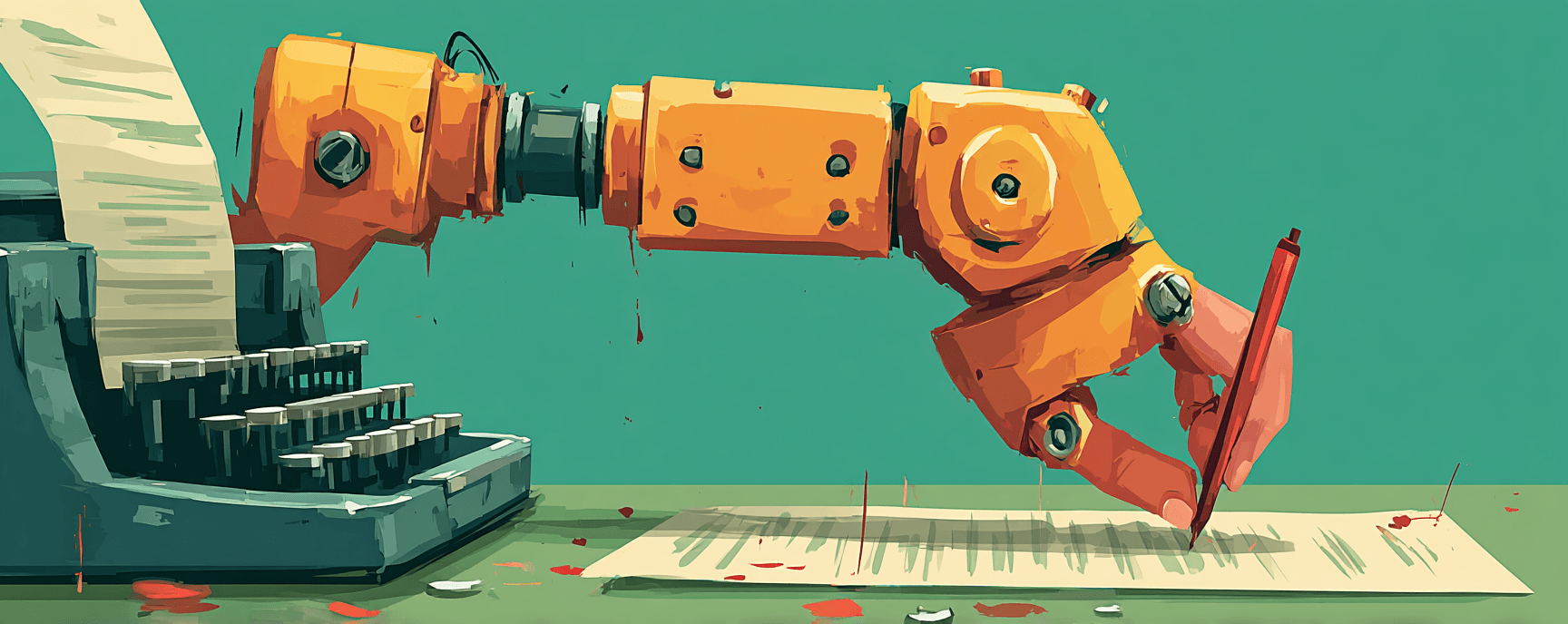
Researchers at UC Davis watched seven commercial browsing agents navigate an instrumented website this spring. A behavioral classifier distinguished all seven from humans with near-perfect accuracy. Cloudflare's bot detection, running simultaneously, caught one. The gap between those numbers reveals a recognition surface that traditional defenses weren't built to read: how an agent types, scrolls, and moves a cursor across a page. If that behavioral layer is as legible as the data suggests, it could become the foundation for reputation, differential treatment, and accountability across the open web.
The Way They Move
Researchers at UC Davis watched seven commercial browsing agents navigate an instrumented website this spring. A behavioral classifier distinguished all seven from humans with near-perfect accuracy. Cloudflare's bot detection, running simultaneously, caught one. The gap between those numbers reveals a recognition surface that traditional defenses weren't built to read: how an agent types, scrolls, and moves a cursor across a page. If that behavioral layer is as legible as the data suggests, it could become the foundation for reputation, differential treatment, and accountability across the open web.
Research Landscape
FP-Agent: Fingerprinting AI Browsing Agents
Behavioral fingerprinting caught all seven agents in a Cloudflare case study; Cloudflare's own bot detection flagged one.
Detection built around how agents interact with pages consistently outperforms detection built around what identity signals they present.
Research Landscape
On the Internet, Nobody Knows You're an LLM Bot
Porous against today's agents, though behavioral fingerprinting at the right layer still reliably tells agents apart from humans.
An infrastructure investment in behavioral instrumentation, not a policy update or a vendor upgrade.
Recognition Turned Inward

When an employee writes a file, endpoint detection logs the write. If something goes wrong, you can ask the employee what they were thinking. When an agent writes a file, endpoint detection still logs the write. But the reasoning that produced it, the prompt that initiated it, the sequence of tool calls between intent and action: none of that shows up in traditional security tooling.
A recent paper out of Uber's deployment makes this concrete. Across 7,200+ hosts running 10,000+ daily agent sessions, the company discovered hundreds of credential exposures from developers using coding agents as intended. The agents did plausible work and, in the process, surfaced credentials in ways nobody could see through existing monitoring.
The paper's proposed fix captures what EDR misses: user prompts, agent reasoning steps, tool invocations, environmental context. Four dimensions that reconstruct the causal chain from "what was asked" to "what happened." Without them, a configuration file save and a credential exfiltration look identical.
Enterprise security was built for a world where intent was carried by humans. On a long holiday weekend, with skeleton crews watching dashboards, that gap feels especially worth sitting with.
Further Reading


Past Articles

Across the agent ecosystem, multiple players are simultaneously shipping the same category of development: admin console...

Companies with governance tooling deploy twelve times more AI projects to production. Only 4 of 13 frontier-autonomy age...

Anthropic's Dynamic Workflows can now orchestrate a thousand subagents in parallel. The showcase was a Bun runtime port:...

GitHub Copilot moved to metered billing on June 1, and organizations can finally see where their AI development spend is...