
Vision
Vision
What Smoothness Costs

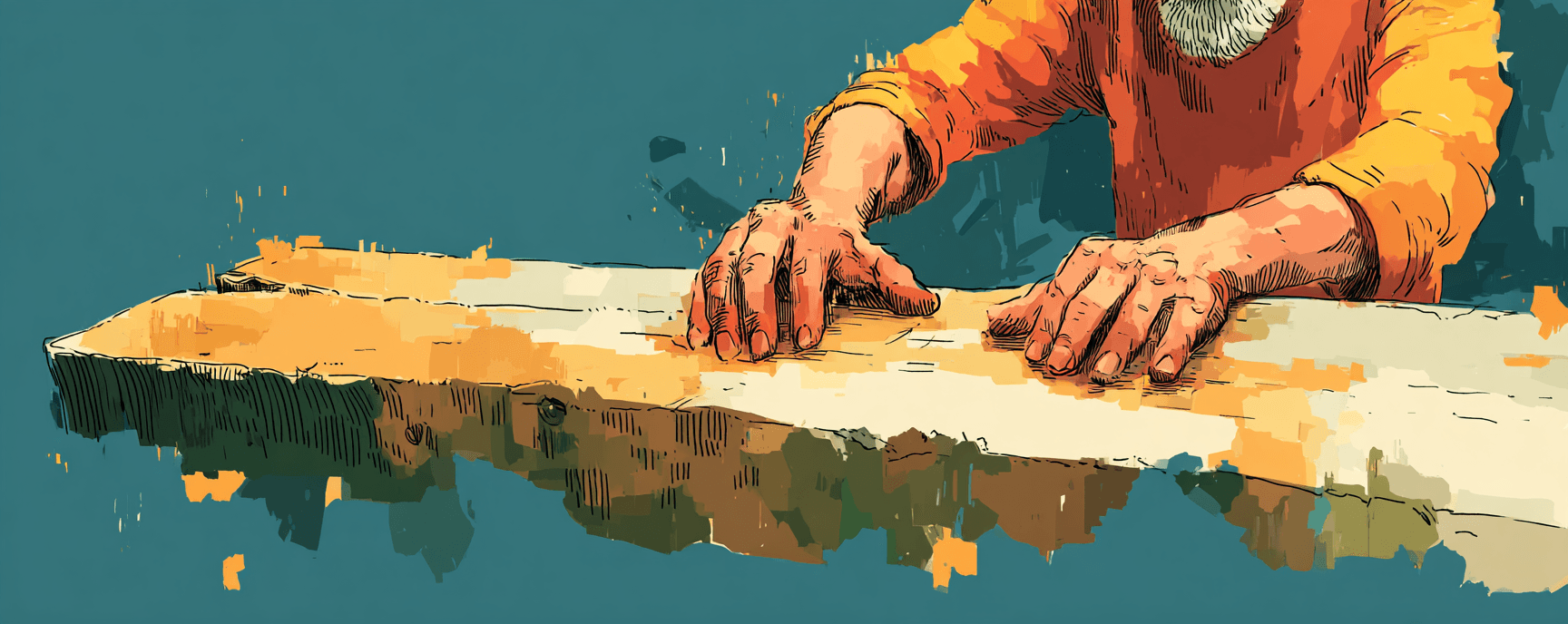
When AI took over compliance report drafting at a pharmaceutical company, a three-day analyst task collapsed to overnight turnaround. The productivity gain was obvious. What those three days had actually contained was harder to name: the conditions under which analysts developed an internal sense of what compliant work feels like. Organizations are stripping out friction they've never tried to measure. The evidence that some of it was sustaining expertise, not impeding it, is starting to arrive.
What Smoothness Costs
When AI took over compliance report drafting at a pharmaceutical company, a three-day analyst task collapsed to overnight turnaround. The productivity gain was obvious. What those three days had actually contained was harder to name: the conditions under which analysts developed an internal sense of what compliant work feels like. Organizations are stripping out friction they've never tried to measure. The evidence that some of it was sustaining expertise, not impeding it, is starting to arrive.
Individual Shift / Organizational Conditions
The Taste You Didn't Earn
You spend your days reviewing, refining, and redirecting AI-generated work. You learn where the model hallucinates, which prompts produce brittle outputs, how to spot a confident paragraph that's subtly wrong. This feels like expertise. Research suggests it may be something else entirely — a detailed map of the agent's failure modes that sits beside domain knowledge without being it. Nearly half of the most advanced AI users seem to sense the difference. They're quietly hedging.

The Conditions for Meaning
If the individual question is whether curating AI outputs builds real expertise, the organizational question is whether anyone is designing work so the answer matters. Research identifies specific choices — autonomy, surveillance posture, explainability — that determine whether augmented work retains meaning or hollows out. Eighty-four percent of organizations haven't redesigned jobs around AI. They're making these decisions by accident, and the consequences compound in ways no productivity metric will catch.
A CPO Watches Her Organization Get More Productive and Less Capable at the Same Time
CONTINUE READINGThe Frontier Professional

Microsoft's 2026 Work Trend Index names a small cohort, 16% of AI users, as "Frontier Professionals." Eighty percent say they're producing work they couldn't have a year ago. What distinguishes them isn't velocity but a shift in kind: they set intent, design workflows across humans and agents, apply judgment about where automation belongs.
This looks like the positive case for meaning after execution fades. People finding purpose in orchestration rather than output.
But research keeps surfacing a pattern. A study of 758 consultants found that knowing when to trust AI required prior domain calibration. Lodge and Loble's offloading framework adds specificity: delegating execution productively requires already knowing which cognitive work is load-bearing.
The Frontier Professional may be someone for whom this role was already latent. An expert whose operational years built the judgment now working at a different scale. The role seems real enough. Whether the path to it still runs through the very work that agents are absorbing is harder to answer.
Further Reading

Past Articles

Organizations are building increasingly sophisticated systems to monitor whether their AI agents perform well. Almost no...

Aviation solved the automation-complacency problem decades ago with simulator checks, mandatory manual flying, and crew ...

In a controlled trial, experienced developers using AI tools estimated they'd gotten about 20% faster. Measured result: ...
While the apprenticeship pipeline thins, a different question is surfacing at the organizational level: what does work l...