
Practitioner's Corner
Practitioner's Corner
How Three Retries Become Sixty-Four Database Attempts


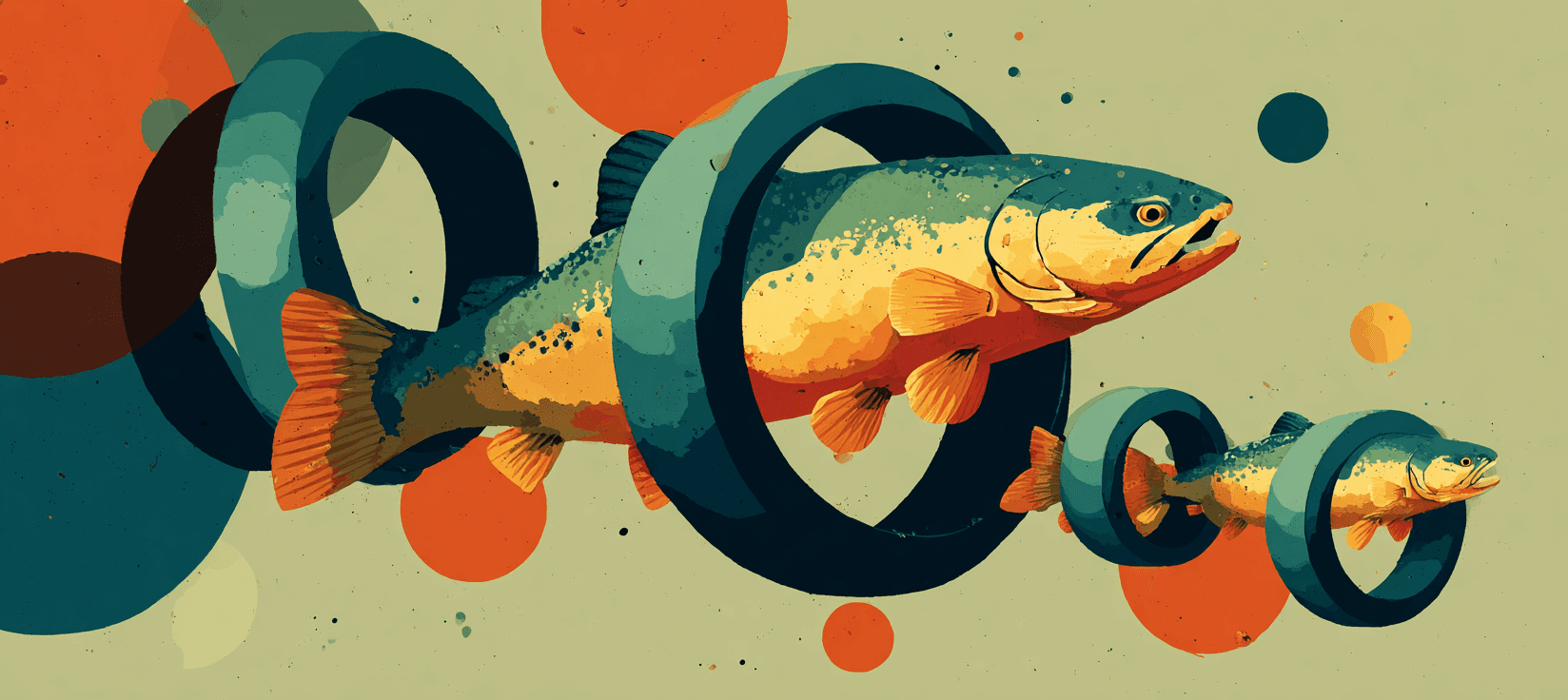
Error rates double every thirty seconds—4%, 8%, 16%, 32%—while every recovery system reports normal behavior. Frontend shows three retry attempts per failure. API gateway executes its own retry logic. Backend service follows documented procedures. Yet one failed authentication becomes sixty-four database attempts before any layer notices. When we're running thousands of concurrent sessions, this pattern appears constantly: systems designed to provide resilience somehow amplifying failures exponentially instead.
How Three Retries Become Sixty-Four Database Attempts
Error rates double every thirty seconds—4%, 8%, 16%, 32%—while every recovery system reports normal behavior. Frontend shows three retry attempts per failure. API gateway executes its own retry logic. Backend service follows documented procedures. Yet one failed authentication becomes sixty-four database attempts before any layer notices. When we're running thousands of concurrent sessions, this pattern appears constantly: systems designed to provide resilience somehow amplifying failures exponentially instead.
Kate Blair and the Quest to Build HTTP for Agent Coordination

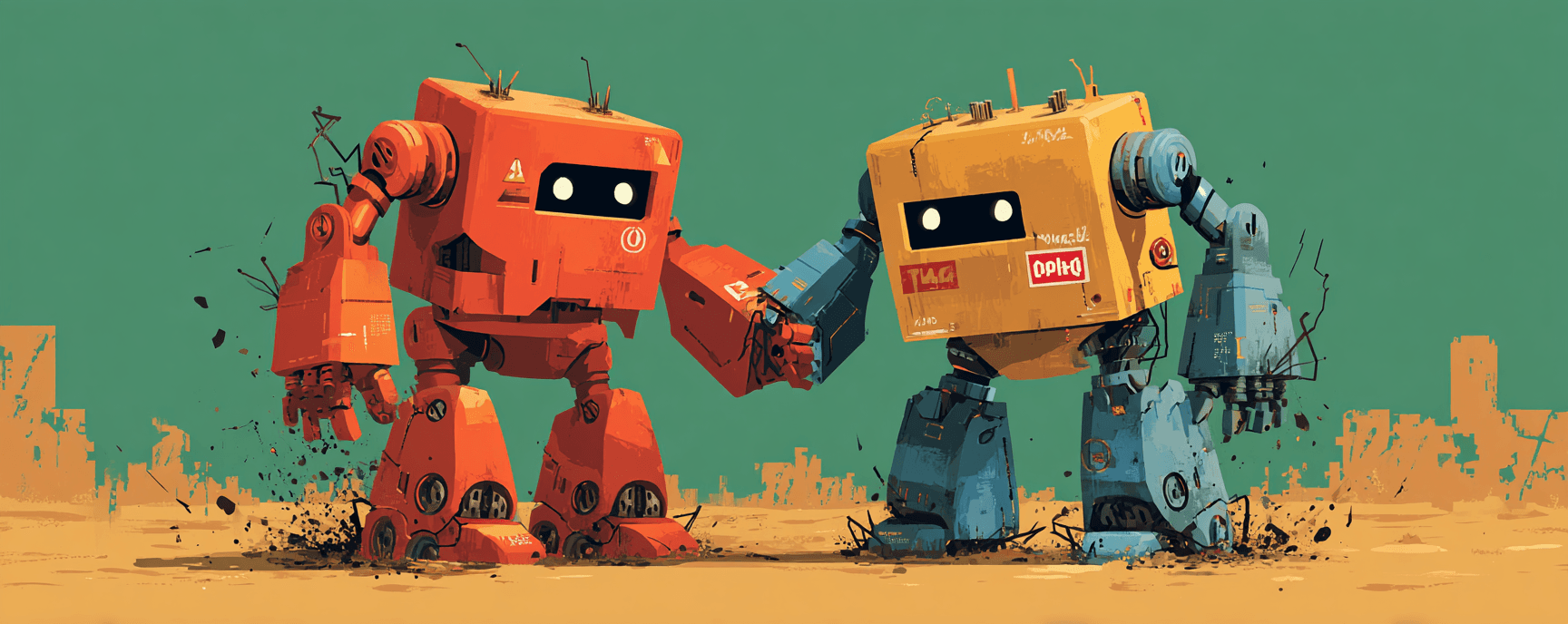
When Tyson Foods and Gordon Food Service deployed AI agents to manage supply chain operations, they discovered something almost quaint: the agents couldn't talk to each other. Custom point-to-point integration was the only option. Exactly the kind of brittle solution that breaks when you're coordinating across dozens of suppliers.
Kate Blair saw this coordination failure as an ecosystem architecture challenge. Enterprises were deploying specialized agents that needed to discover each other's capabilities and hand off work reliably, but no standard existed. She set out to build what she called "the HTTP of agent communication." Whether the ecosystem would adopt it—or fragment into competing protocols—was an open question.
Kate Blair and the Quest to Build HTTP for Agent Coordination
When Tyson Foods and Gordon Food Service deployed AI agents to manage supply chain operations, they discovered something almost quaint: the agents couldn't talk to each other. Custom point-to-point integration was the only option. Exactly the kind of brittle solution that breaks when you're coordinating across dozens of suppliers.
Kate Blair saw this coordination failure as an ecosystem architecture challenge. Enterprises were deploying specialized agents that needed to discover each other's capabilities and hand off work reliably, but no standard existed. She set out to build what she called "the HTTP of agent communication." Whether the ecosystem would adopt it—or fragment into competing protocols—was an open question.
The Number That Matters

OffenderWatch processed 80 million API requests daily. After implementing rate limiting and bot protection, that number dropped to 2.5 million. A 97% reduction.
The CEO got back hours of his day. The development team stopped spending two to three hours managing rules manually. Infrastructure costs, human attention, operational complexity: all calibrated to a false baseline. They weren't operating at scale. They were operating at the scale of their bot problem.
What they'd been scraping for free? They turned it into a paid product. Those 2.5 million requests that remained were the ones that actually mattered.