
Vision

Vision
When Organizational Capacity Becomes the Binding Constraint

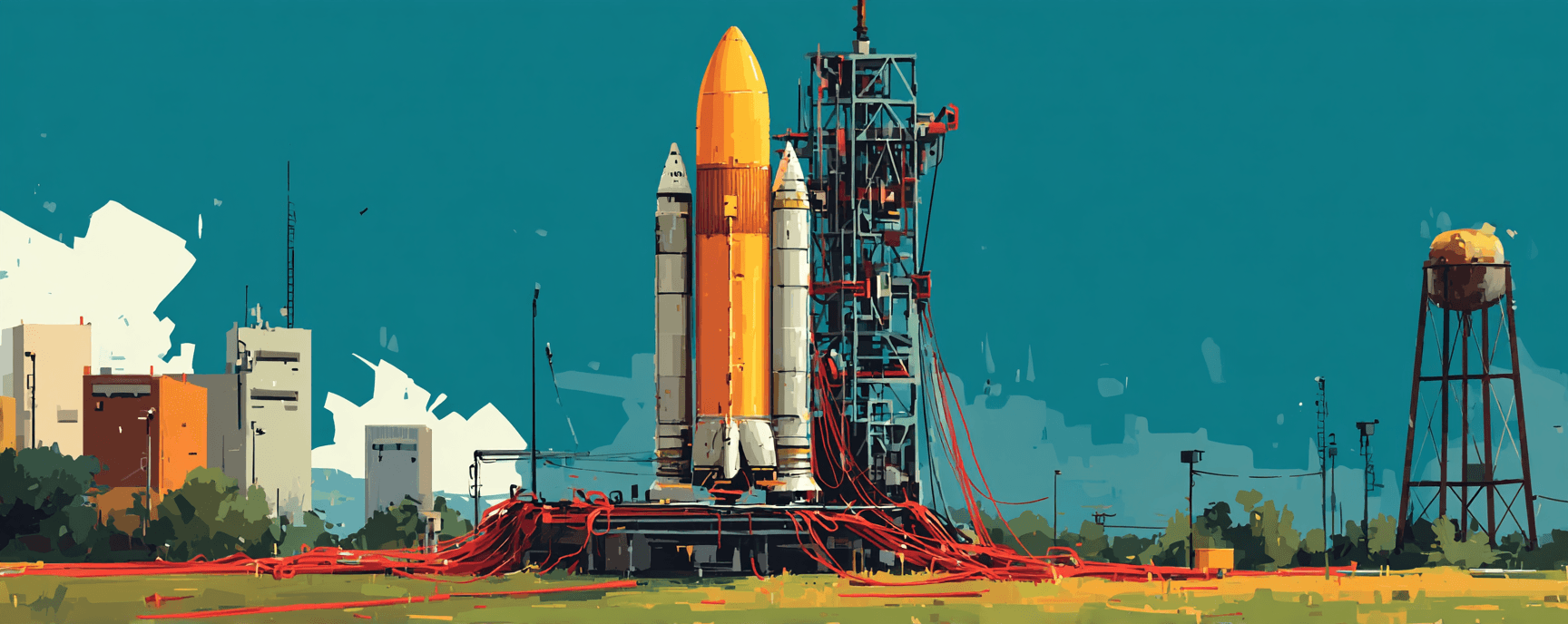
The pilot worked. Finance approved the budget. The team scheduled production rollout for Q1. Three months later, they're still in "final preparations."
Across enterprises, sixty percent evaluated AI agent systems last year. Most built working prototypes. Only a fraction reached production. The technology works. But scale exposes constraints that pilots never encountered—operational realities that become binding only when organizations try to cross from experimental to production deployment. What makes readiness visible? What actually changes when capacity, not capability, becomes the threshold?
When Organizational Capacity Becomes the Binding Constraint
The pilot worked. Finance approved the budget. The team scheduled production rollout for Q1. Three months later, they're still in "final preparations."
Across enterprises, sixty percent evaluated AI agent systems last year. Most built working prototypes. Only a fraction reached production. The technology works. But scale exposes constraints that pilots never encountered—operational realities that become binding only when organizations try to cross from experimental to production deployment. What makes readiness visible? What actually changes when capacity, not capability, becomes the threshold?
The Economics

When Infrastructure Becomes Irreversible
Infrastructure decisions feel reversible when you make them. But watch what happens after two years of engineers developing intuition for specific authentication patterns, operations building monitoring around distinctive failure signatures, product designing workflows within particular constraints. The technical migration carries one price tag. Unwinding the organizational knowledge that accumulated invisibly through daily use—that's where reversibility becomes expensive in ways you discover slowly, as each temporary arrangement reveals itself as permanent.

Paying for Capabilities You Haven't Needed Yet
Optimize authentication handling for the 200 sites you automate today, or pay premium for infrastructure that handles patterns you haven't encountered? The efficient choice looks obvious until you expand to Japanese hotel chains and discover regional variations your system wasn't built for. That flexibility premium you avoided upfront? You pay it anyway, later—as rebuilding costs, constrained expansion, the gap between what your infrastructure can do and what your organization needs it to become.