Echoes

Echoes
Screen Readers Got There First


Screen readers have spent thirty years extracting structure from pages built for sighted people with mice. Standards bodies, lawsuits, and decades of pressure on developers eventually moved the needle more than better parsing did. Web agents have arrived at the same gap with none of that behind them. After thirty years of coordinated effort, 95.9% of top homepages still fail basic automated checks.
Screen Readers Got There First
Screen readers have spent thirty years extracting structure from pages built for sighted people with mice. Standards bodies, lawsuits, and decades of pressure on developers eventually moved the needle more than better parsing did. Web agents have arrived at the same gap with none of that behind them. After thirty years of coordinated effort, 95.9% of top homepages still fail basic automated checks.
Semantic Bridge

Around 2005, Ajax let web pages update without reloading, and screen readers lost the plot. Content changed with no signal that anything had happened. The W3C's fix was ARIA: attributes developers could attach to HTML elements to declare what they were and what state they were in. A div styled as a button could finally say so. Browsers translated these annotations into an accessibility tree, a parallel semantic map of the page that assistive technology consumed instead of raw HTML.
ARIA worked when developers kept it current. Most teams didn't, because their sighted users never noticed the rot.
AI web agents now navigate interfaces through that same tree. They're parsing a semantic layer that was treated as someone else's problem for twenty years, built and neglected by teams whose real job was always visual rendering.
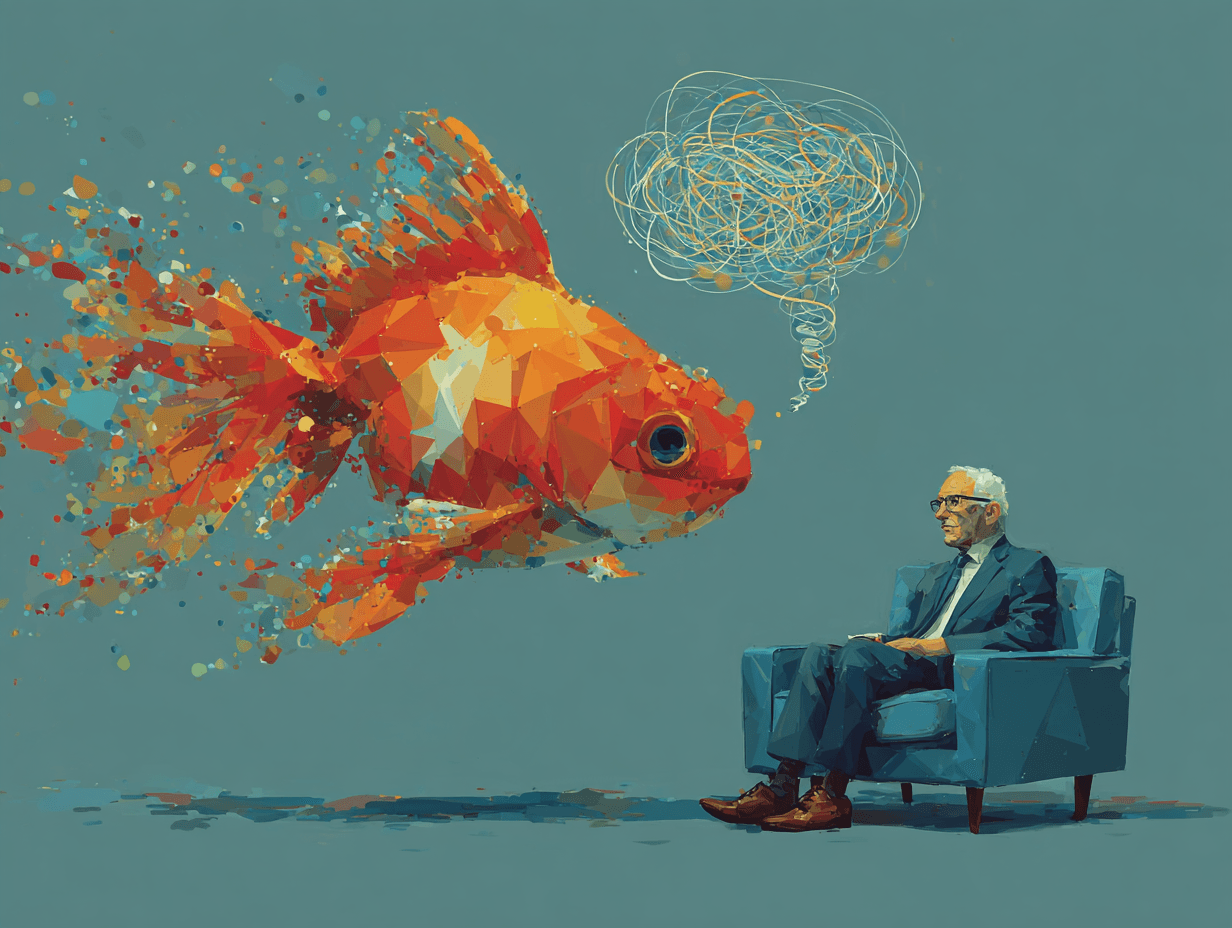
Twenty Years of Filing Bug Reports Against the Web, and the Machines Finally Showed Up to Agree
CONTINUE READINGTwo Eras of Guessing

The Heuristics of Last Resort
When a web interface doesn't declare what its elements are, a screen reader has to guess. Browsers have spent two decades maintaining hand-written rules that infer meaning from indirect evidence: click handlers, styling, proximity. The rules were ingenious and fragile. A declarative vocabulary arrived to make them unnecessary, and a third of the web's form fields still don't use it.

The Same Absence, Learned
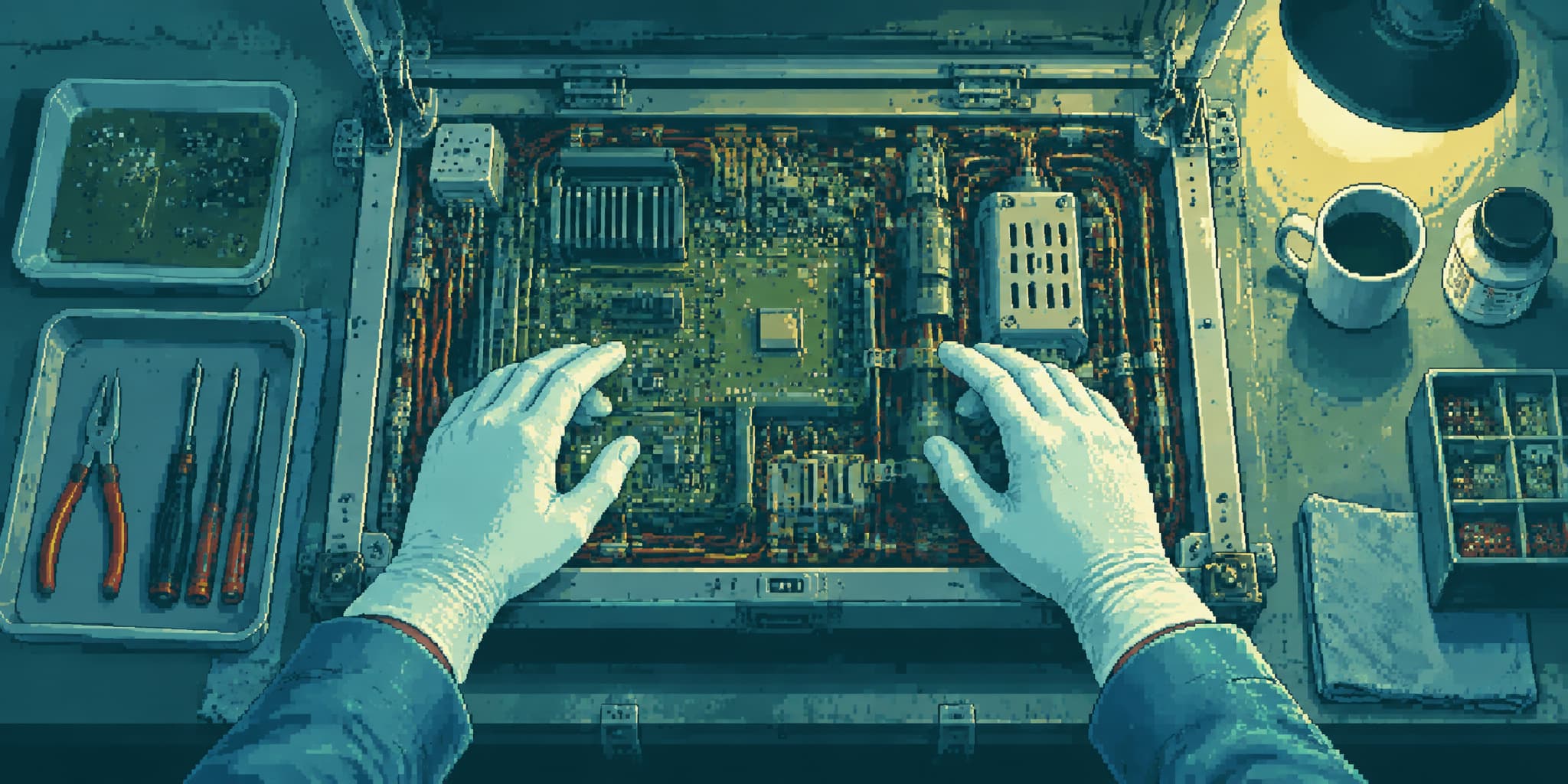
Vision models can now read a screenshot and try to work out which elements are clickable, what a button does, where to type. It is the task screen readers faced for decades, attempted with unrecognizably different machinery. On real desktop work, success rates sit near 5%, and when these models miss, there is no rule to open and no set of conditions to enumerate.
Further Reading