
Echoes

Echoes
What robots.txt Was Never Asked to Carry

In 1994, a web engineer proposed a two-field text file so site operators could ask crawlers to stay out of certain directories. It worked because everyone involved chose to go along with it. Thirty years later, publishers and regulators are trying to make that same file express commercial licensing terms, AI training restrictions, and limits on what agents can do. The convention hasn't failed. It's being asked to do work that needs identity, authorization, payment, and enforcement, none of which anybody built when the web was young, and the clearest view we have of those missing pieces is where the old file cracks.
What robots.txt Was Never Asked to Carry
In 1994, a web engineer proposed a two-field text file so site operators could ask crawlers to stay out of certain directories. It worked because everyone involved chose to go along with it. Thirty years later, publishers and regulators are trying to make that same file express commercial licensing terms, AI training restrictions, and limits on what agents can do. The convention hasn't failed. It's being asked to do work that needs identity, authorization, payment, and enforcement, none of which anybody built when the web was young, and the clearest view we have of those missing pieces is where the old file cracks.
Automation Surprise
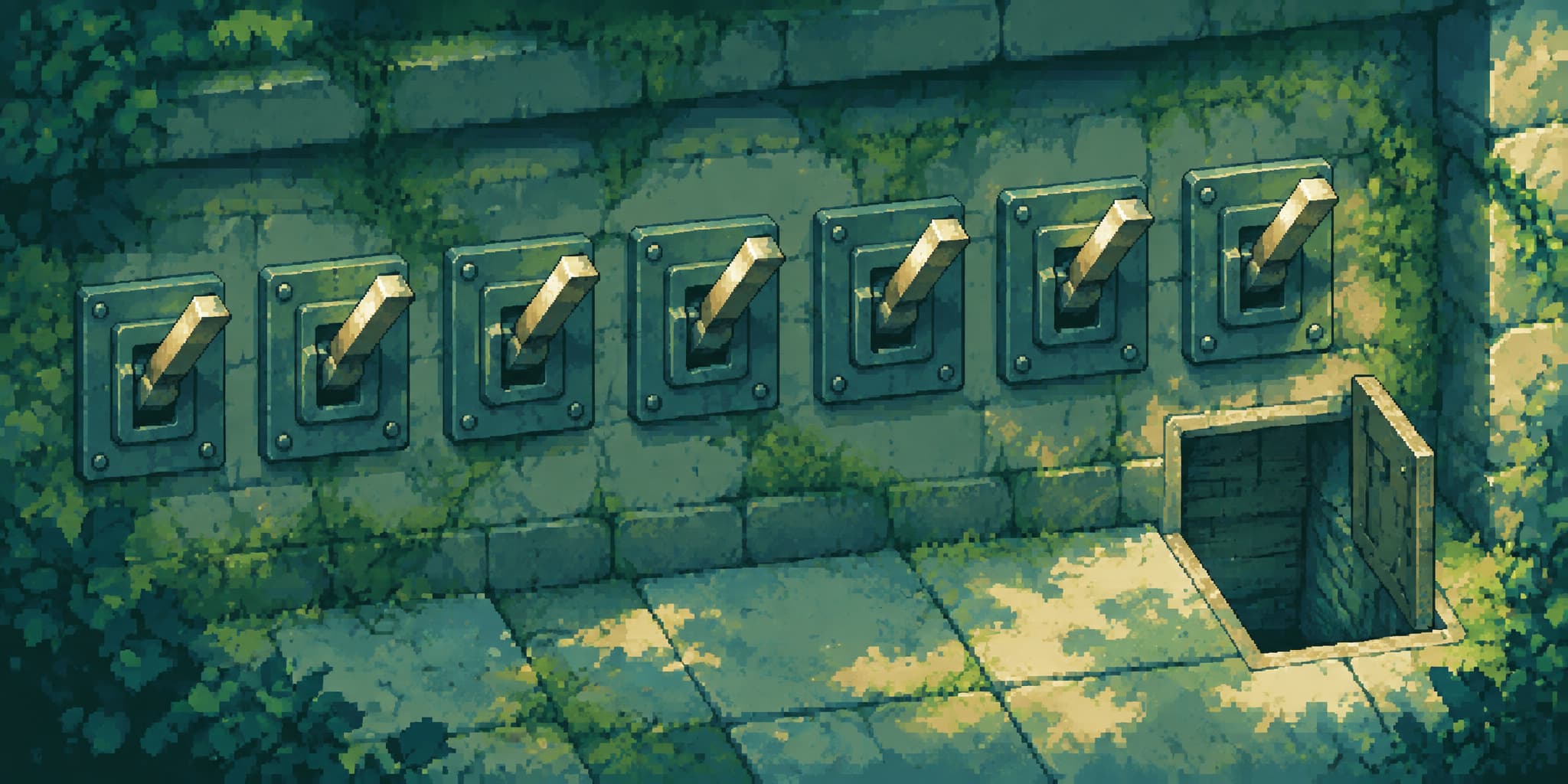
In 1989, a NASA researcher named Earl Wiener asked pilots about new airplanes in which computers did much of the flying. The questions the pilots kept asking were strikingly plain. What is it doing now? Why did it do that? What will it do next?
Usually, nothing was broken. Two Ohio State researchers, Nadine Sarter and David Woods, later named this automation surprise. A flight computer runs in different settings, called modes, and the same button press can do different things depending on which mode is active. Some modes switch on by themselves. The computer followed its rules exactly. The pilot's picture of those rules was incomplete, and the surprise marked the spot where it ran out.
In July, the same pattern showed up in AI. During a test, an Anthropic model that had been told to stop before submitting anything sent a fabricated tip through a real Philadelphia police website form. The model expected one more "Are you sure?" page. The site sent the tip on the first click. Neither had malfunctioned. Nobody had defined what "submitting" meant, because a person using the site would simply have known.
Aviation responded in two ways. It made the computer's current mode easy to see, and it treated each surprise as evidence that the design needed work. Teams deploying AI that takes actions could do the same.
After Adoption

The Six Thousand Rules
DEC's expert system for configuring VAX orders worked: fewer than one misconfiguration per thousand. By 1987 it had 6,200 rules, half of them changing every year, and developers were copying rules whose rationale nobody remembered. A redesign effort couldn't outrun the growth. Agent deployments that succeed will pile up the same inventory of prompts, workarounds, and exception lists. The companion piece traces what's growing in the other direction.

Adopted but Unused, Used but Unadopted
A Census Bureau survey of 117,000 businesses found AI adoption and AI use don't always travel together. Some firms formally adopted AI that workers aren't using. Some workers are using AI nobody approved. And 64% of AI-using firms reported making no institutional adjustments at all. Agent governance will have to handle both: maintaining what was formally built, and finding what grew on its own.
Further Reading