Echoes
Echoes
The "I Agree" Button Assumed the Reader Was the One Clicking

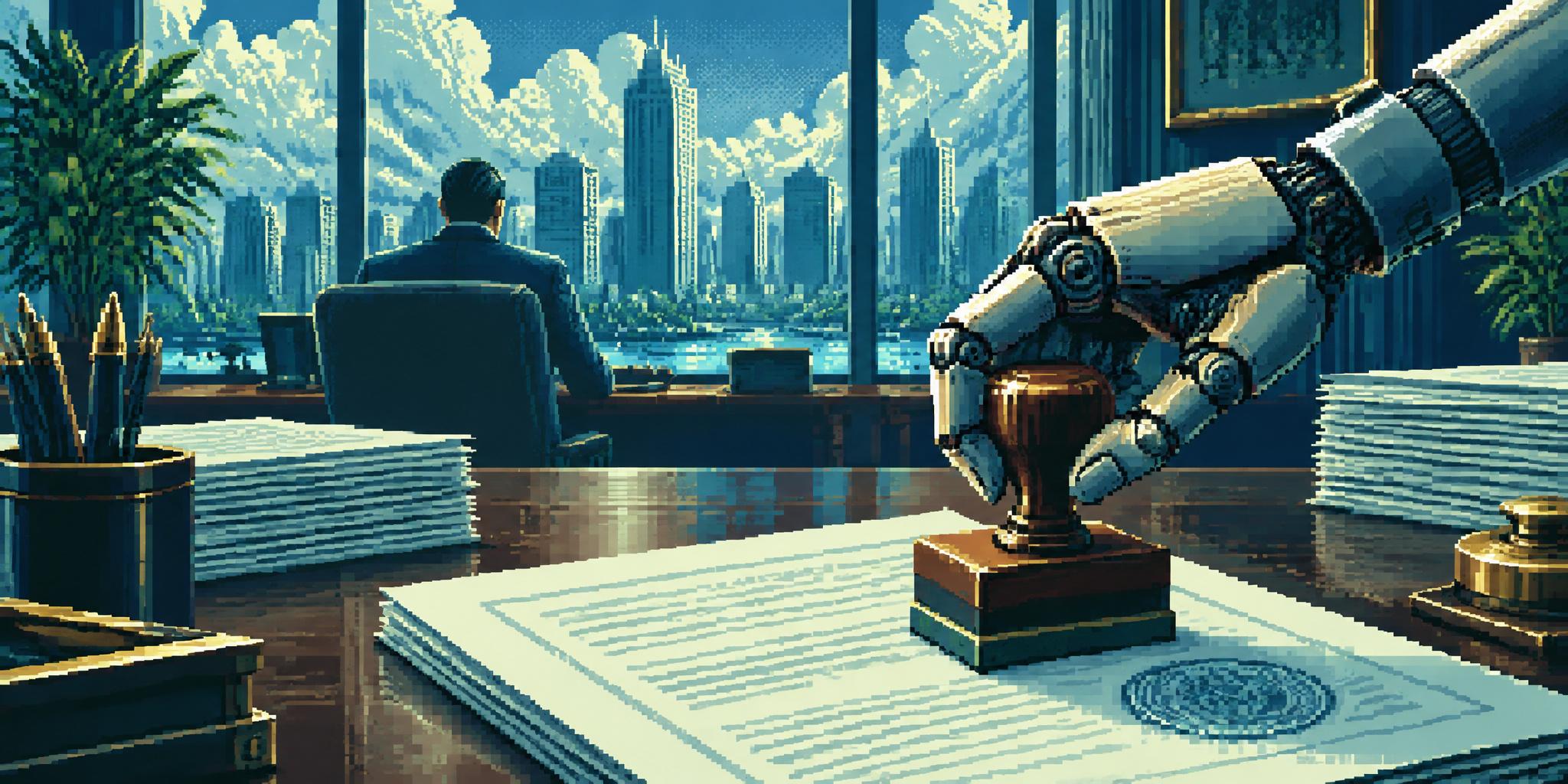
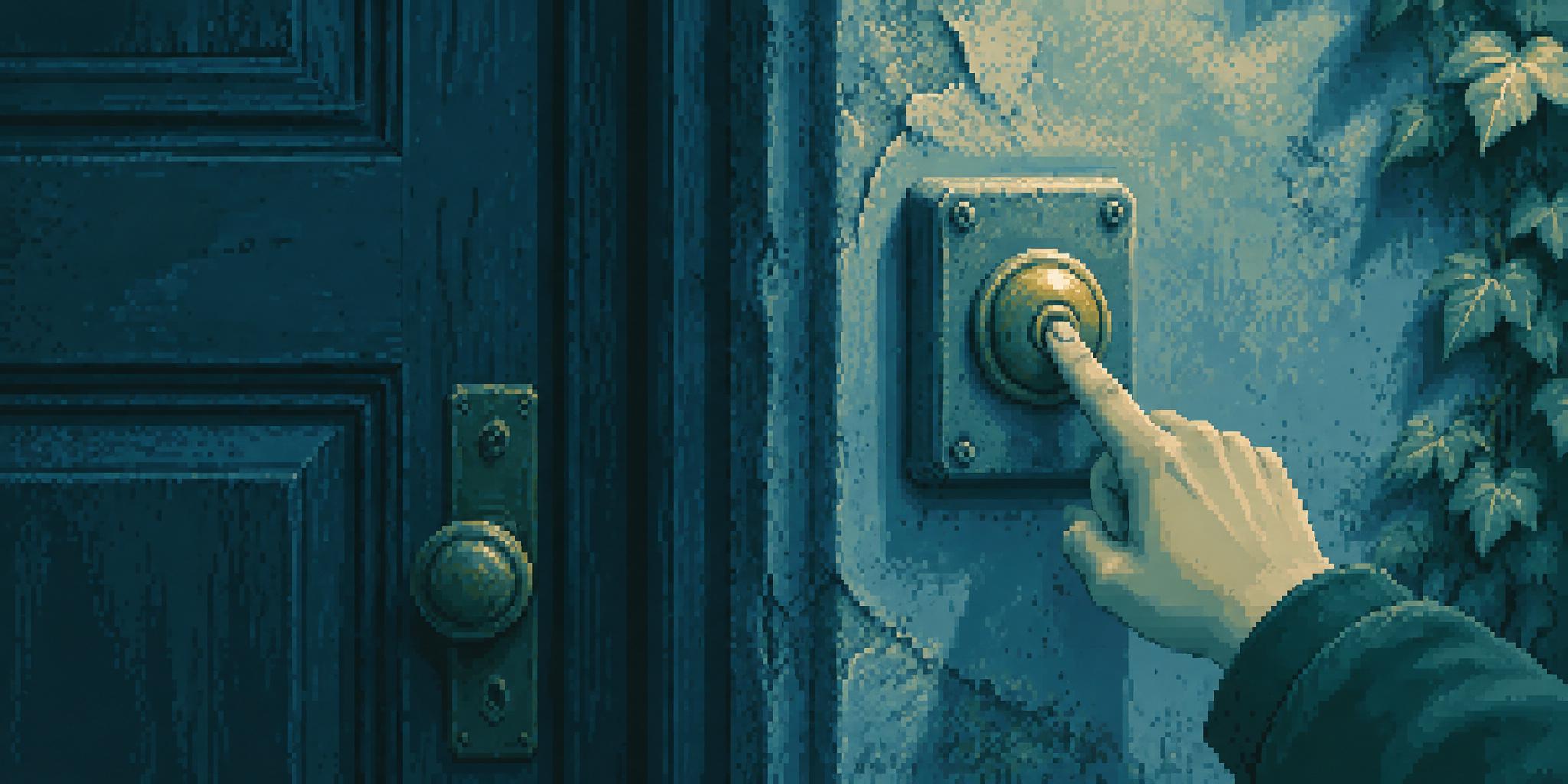
In the 1990s, a court fight over a phone directory sold on CD-ROM helped set the rules for the "I agree" boxes people click online. Those rules decide when a click binds you to a seller's terms. Now AI shopping agents are doing the clicking for people. A shopper approves a printer, and the agent completes the purchase, but the seller's records show a printer and an arbitration clause. The shopper never saw that clause, yet under those rules they may still be bound by it.
The "I Agree" Button Assumed the Reader Was the One Clicking
In the 1990s, a court fight over a phone directory sold on CD-ROM helped set the rules for the "I agree" boxes people click online. Those rules decide when a click binds you to a seller's terms. Now AI shopping agents are doing the clicking for people. A shopper approves a printer, and the agent completes the purchase, but the seller's records show a printer and an arbitration clause. The shopper never saw that clause, yet under those rules they may still be bound by it.
A Permanent Typo

In 2005, Unicode, the standard that gives every character a number and a permanent name, added sideways brackets for Chinese written top to bottom. One shipped as PRESENTATION FORM FOR VERTICAL RIGHT WHITE LENTICULAR BRAKCET.
Fixing it would take one small edit. Unicode refused. Those names work as identifiers. Some programming languages let you call up a character by typing its exact name, and Unicode promises that a published name never changes. Correct the spelling, and code that trusted the promise breaks. Leave it, and the only cost is a wince from whoever reads the chart.
So the committee put the correction beside the error: a second official name, spelled properly and guaranteed to be just as permanent.
Once other people build on a mistake, erasing it no longer counts as a correction. What remains is to label it where everyone can see.

In Conversation With the Courier Who Held Everything and Owned Nothing
CONTINUE READINGRetiring Two Platforms
Java's Ten-Year Search for the Last Applets
By 2017, browsers had stopped running applets, the small Java programs that once ran inside web pages. Removing applets from Java itself still took a decade, and much of that time went into finding everything else that had quietly been built on them. Some developers had borrowed the applet sound player just to make ordinary desktop programs beep, so Java had to ship a replacement before it could delete the original.
Flash Shipped With Its Own Shutdown Date
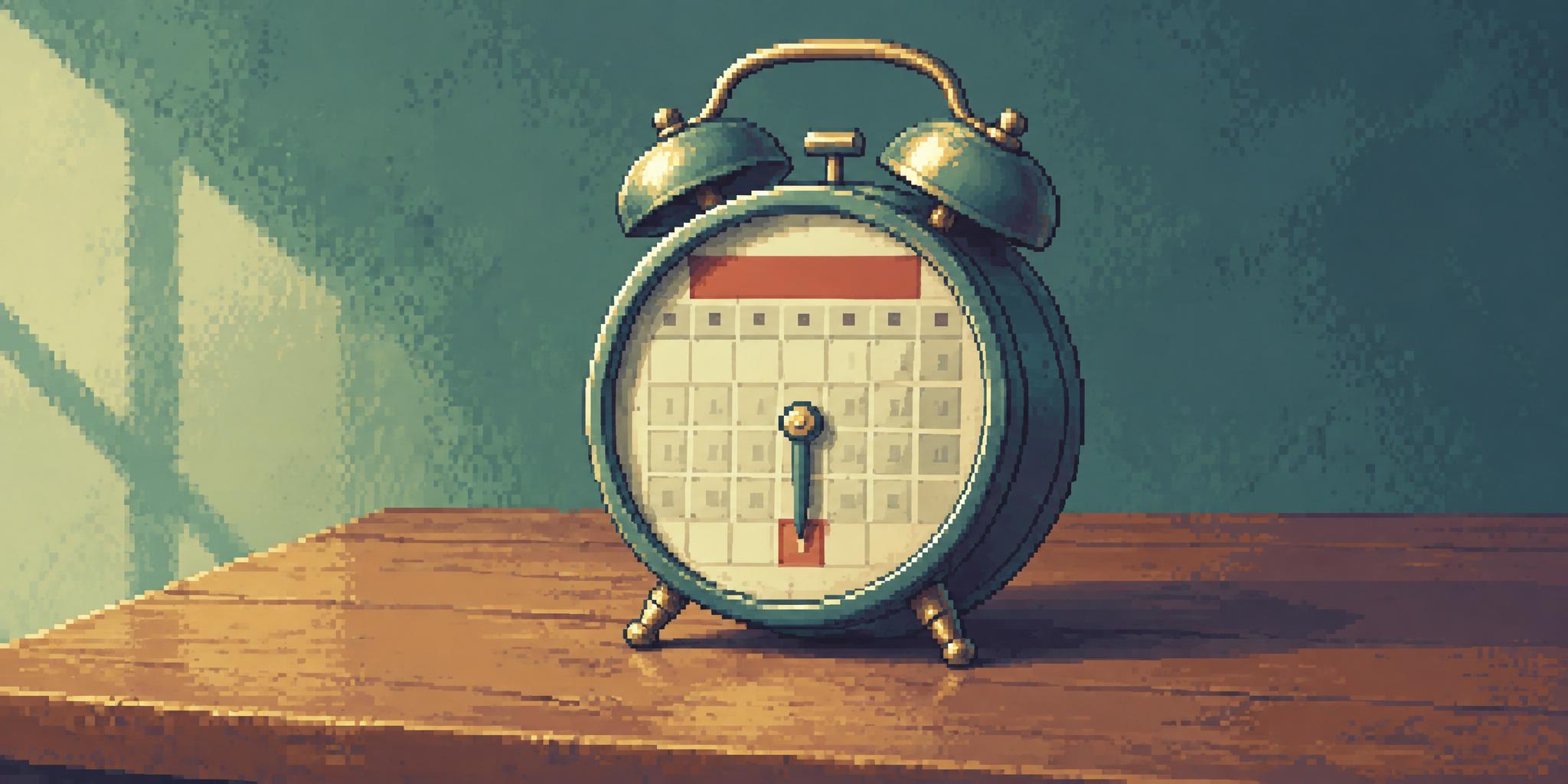
Flash, the browser add-on behind a generation of web games, got a firmer ending. Adobe gave years of notice, then wrote a fixed quitting day into the player itself, so Flash would stop on schedule whether anyone was ready or not. That left everyone else to discover what still depended on it. In January 2021, South Africa's tax authority publicly admitted: "We erred in our interpretation that the functionality would continue beyond the support date."
Documents Worth One Sentence