Vision

Vision
The Indifferent Buyer


Websites are already publishing machine-readable permission files for autonomous visitors, and what they choose to show an entity that can't be charmed looks nothing like what they show humans. New commerce protocols define how an agent discovers a product, evaluates terms, and buys — no storefront, no emotional arc. One to two trillion dollars in annual e-commerce spending is impulse-driven, dependent on a buyer who feels something at the moment of decision. That assumption is starting to erode.
The Indifferent Buyer
Websites are already publishing machine-readable permission files for autonomous visitors, and what they choose to show an entity that can't be charmed looks nothing like what they show humans. New commerce protocols define how an agent discovers a product, evaluates terms, and buys — no storefront, no emotional arc. One to two trillion dollars in annual e-commerce spending is impulse-driven, dependent on a buyer who feels something at the moment of decision. That assumption is starting to erode.
Two Consequences

Agent-First Design and the Fate of Human-Experience Moats
When AI agents evaluate your service, they don't see your logo, your landing page, or the feeling your brand evokes. They parse structured schemas and optimize for outcomes. Companies spent decades building moats out of human experience. Now the entity making the purchasing decision can't experience any of it. Differentiation migrates somewhere most product teams haven't learned to look.

The Discovery Problem No One Has Solved
We've built protocols for how agents talk to each other. How they find each other remains wide open. Every discovery mechanism humans rely on — search rankings, app stores, social proof — was designed for a creature that browses and responds to emotion. Agents do none of that. The void is filling with provisional fixes. If the app store era taught us anything, it's that discovery layers don't stay neutral by accident.
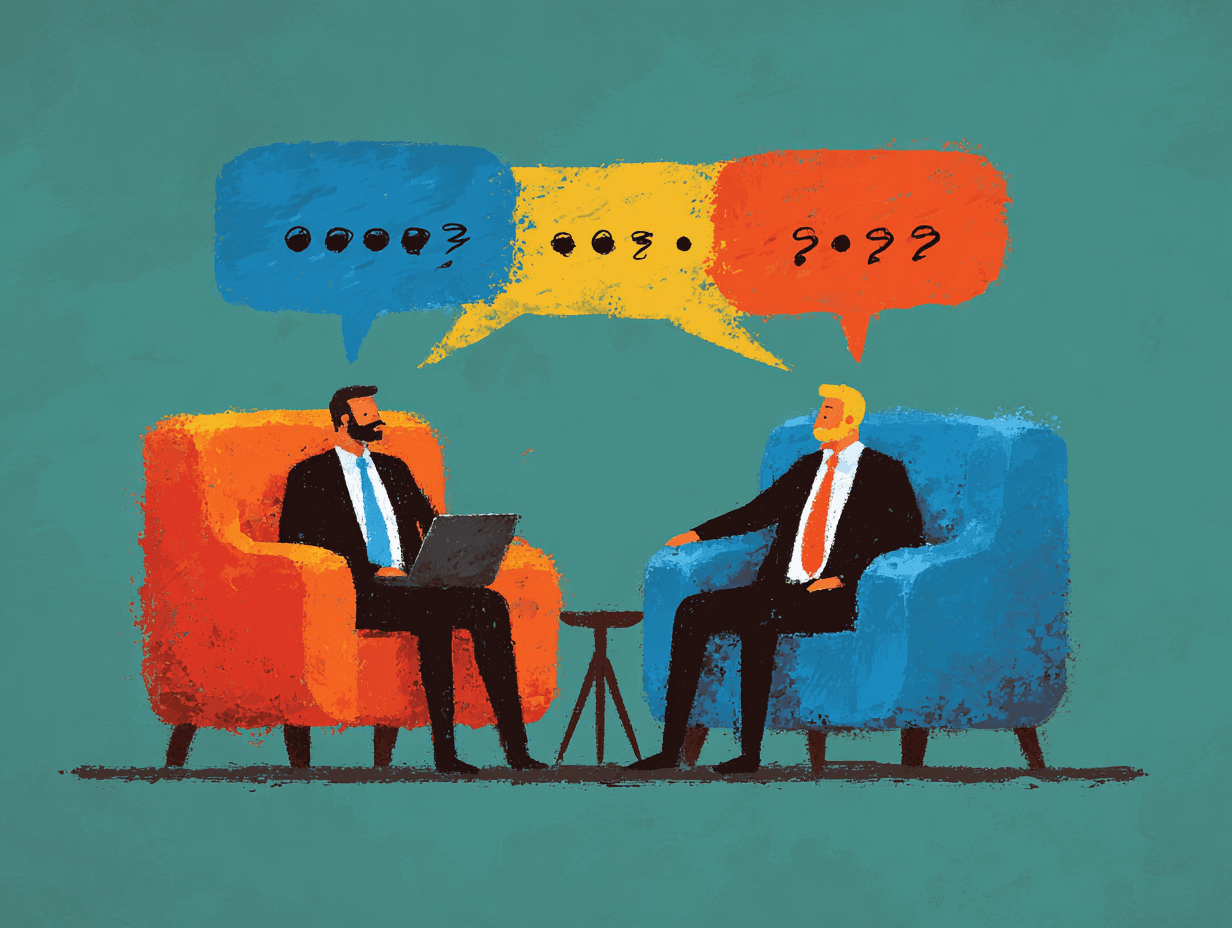
Ghost Orders and Harissa Metadata — An E-Commerce Director Watches the Funnel Disappear
CONTINUE READINGThe First Audience Shift

Codebases have always had two readers: the machine that compiles them and the person who maintains them. README.md belonged to the second. Now over 60,000 GitHub repositories include AGENTS.md, a file addressed to neither.
What goes into these files is remarkably familiar. Build conventions, security guardrails, workflow quirks. The kind of thing you'd explain to a new hire over coffee. Developers didn't invent new knowledge for their agent audience. They just redirected existing institutional memory toward a different reader.
That quiet redirection suggests the web is acquiring a second native audience, and infrastructure is already reshaping around it.
Further Reading