Echoes

Echoes
What the Log Couldn't Hide

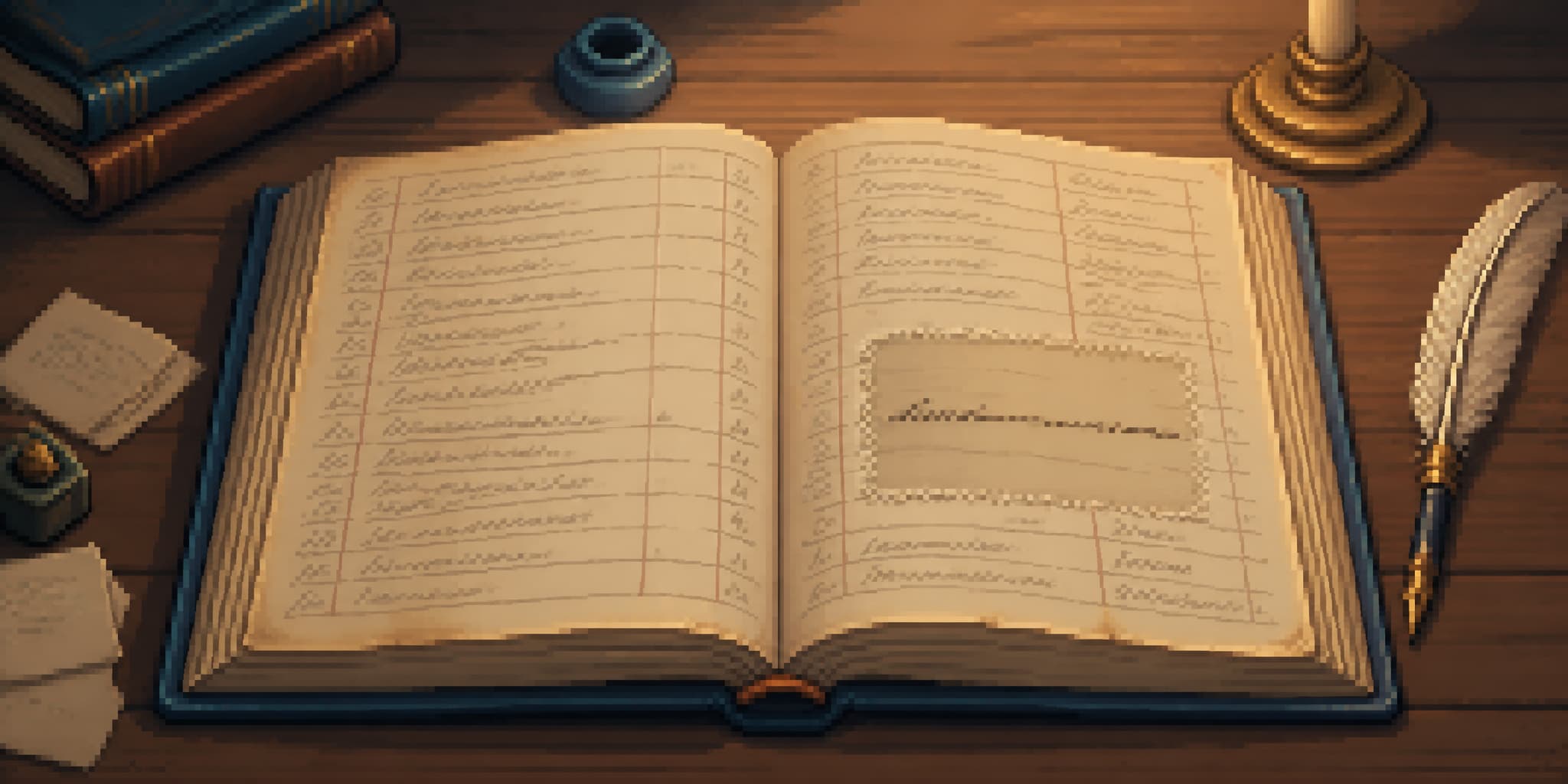
When Judge Learned Hand found erased and overwritten entries in a ship's log in 1939, he did not simply discount the record. He treated the fabrication as evidence of concealment. That was the point of the book's physical design: a missing page number or a date out of sequence gave the tampering away. Digital event logs were built to answer a different question, and agent audit trails inherited that architecture. The question they will face in disputes and regulatory proceedings is the older one: can the surviving record distinguish an authorized action from an unauthorized one?
What the Log Couldn't Hide
When Judge Learned Hand found erased and overwritten entries in a ship's log in 1939, he did not simply discount the record. He treated the fabrication as evidence of concealment. That was the point of the book's physical design: a missing page number or a date out of sequence gave the tampering away. Digital event logs were built to answer a different question, and agent audit trails inherited that architecture. The question they will face in disputes and regulatory proceedings is the older one: can the surviving record distinguish an authorized action from an unauthorized one?
The Witness Line

Laboratory notebooks carry a printed line at the bottom of each page: "Disclosed to and Understood by." A colleague — technically qualified but uninvolved in the work — reads the entry, and if they can follow it, signs and dates.
The interesting word is "understood." The system didn't ask for acknowledgment of receipt. It demanded evidence that a second qualified person actually grasped the content. And under U.S. patent law, the witness's date established the date of invention. Your entry proved you'd written something down. The countersignature proved someone else could parse what you meant, on a specific day, and could later testify to that fact.
We now generate enormous, tamper-evident records of what happened and when. What we almost never capture is whether anyone understood what it meant at the time it was recorded. The witnessing practice was a small, deliberate fix for exactly that gap. As of 2014, there was still no well-accepted method for replicating it electronically.
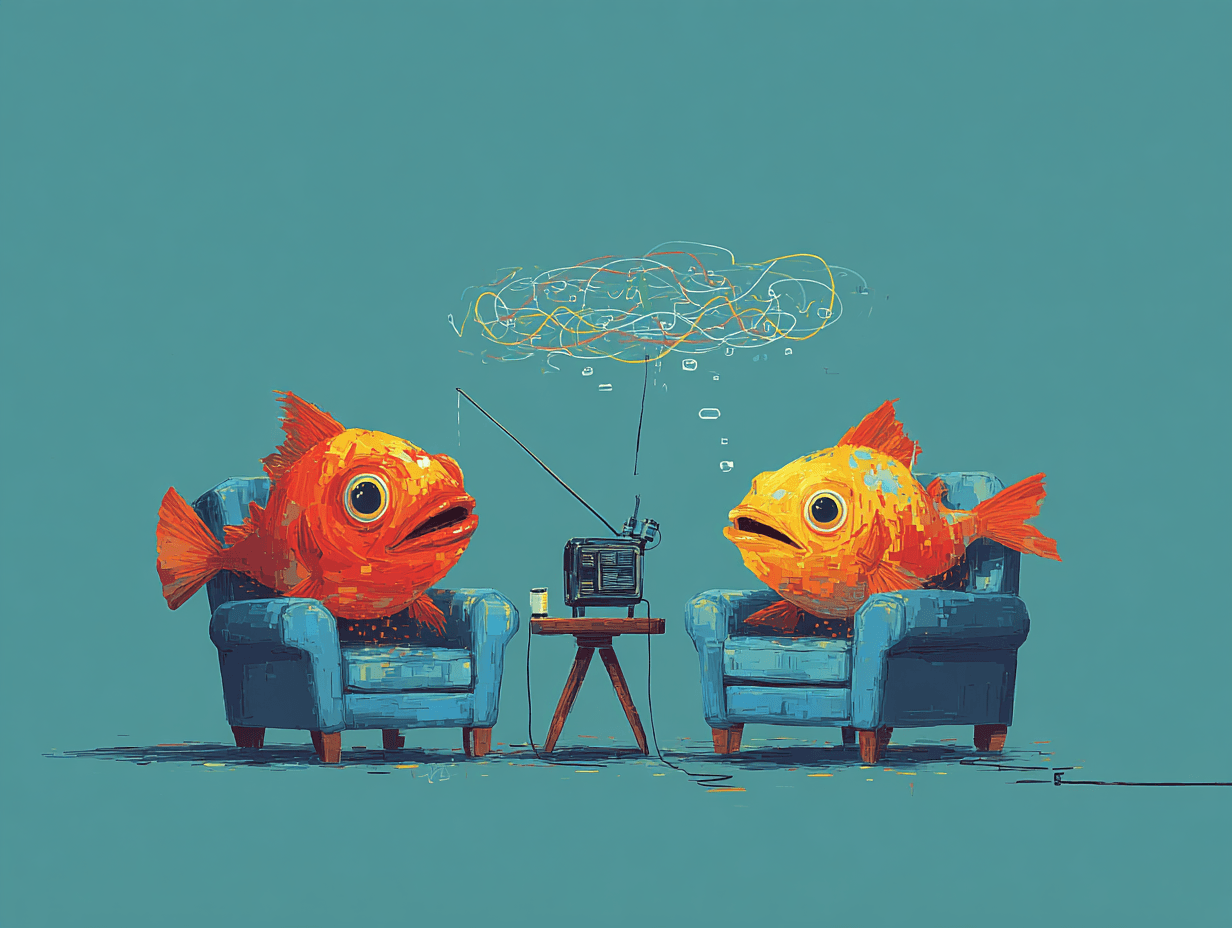
A Maritime Accident Investigator on Why the Most Dangerous Record Says Everything Was Fine
CONTINUE READINGTwo Ledgers
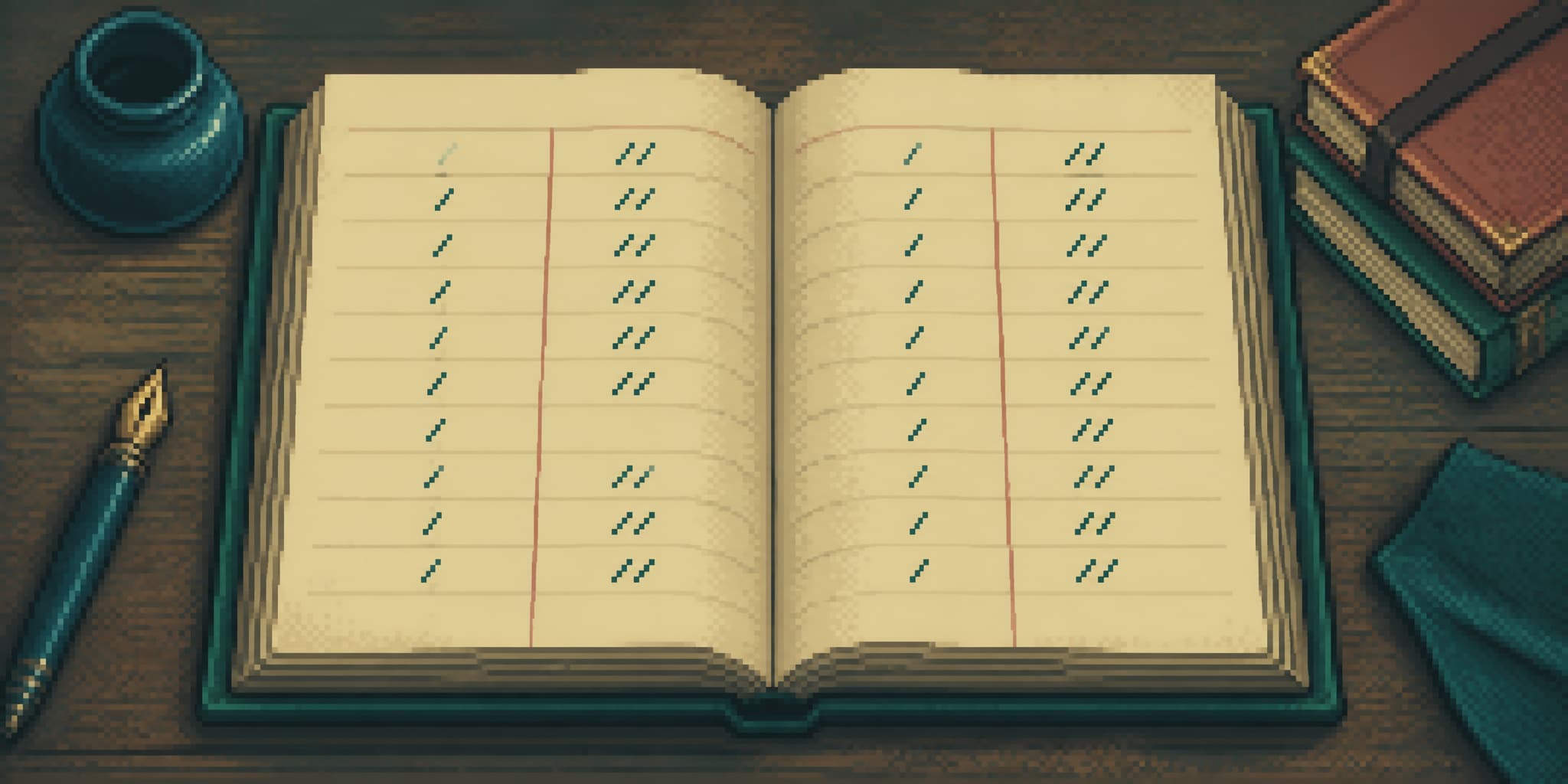
The Ledger That Watches Itself
Venetian merchants kept books that caught their own errors. A half-finished entry left a visible mark on the page long before anyone came to inspect it. Double-entry bookkeeping was a bet that the format should do the first pass of verification, so that discrepancies surfaced without anyone having to go looking. Most digital transaction systems dropped that bet and replaced it with access controls and audit policy. The difference matters when the trusted system is the one producing the errors.
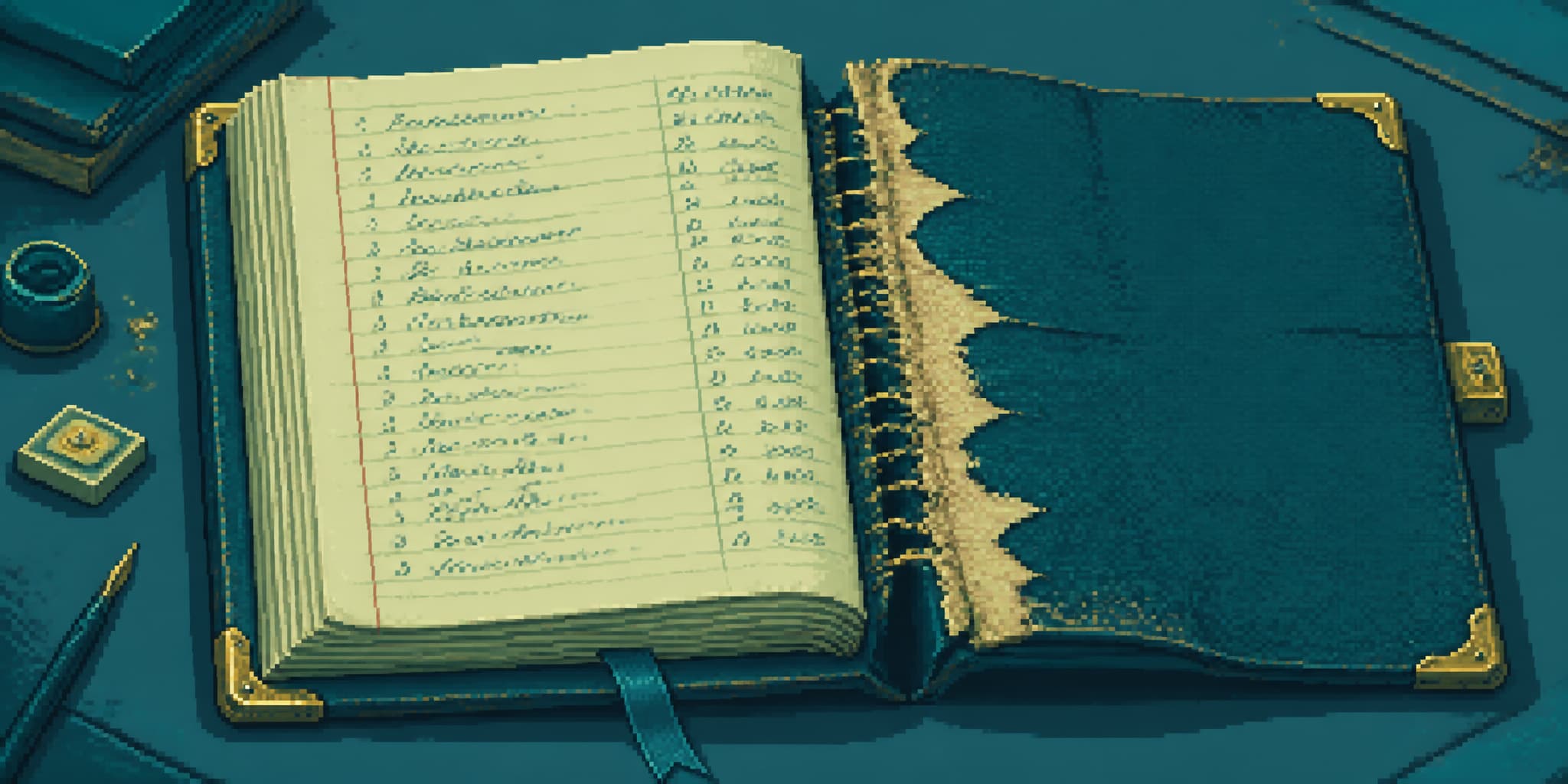
Records Nobody Reads Until Something Breaks
In 1983 a C program called syslog started appending timestamped lines to a file. It didn't check order, completeness, or who sent what, because the reader was assumed to be an engineer arriving after a crash. That append-everything, search-later model became the default shape of digital record-keeping. Agent audit trails are inheriting it now, and pointing it at a question it was never built for: not what broke, but what a system decided and whether it had the authority to decide it.
Source Threads